< img height="1" width="1" style="display:none" src="https://www.facebook.com/tr?id=1568787653269583&ev=PageView&noscript=1" />

Rethinking Scoliosis Orthosis: How 3D Printing Transforms Comfort, Precision, and Efficiency

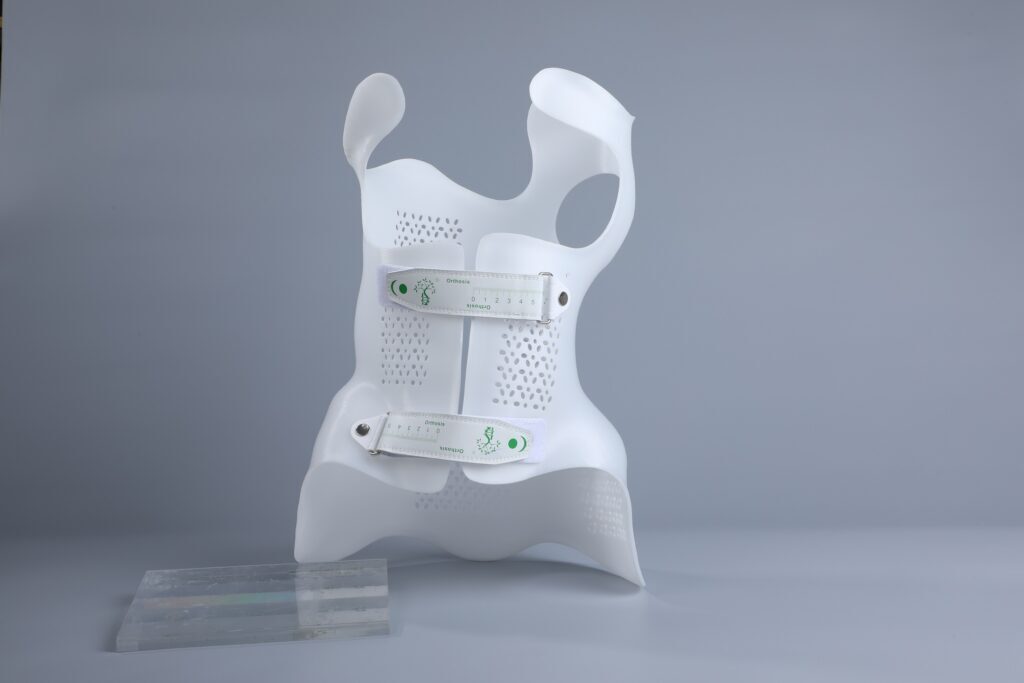
For decades, scoliosis orthoses have been fabricated using conventional plaster casting and manual molding techniques—a process that is time-consuming, labor-intensive, and often uncomfortable for patients. However, with the advancement of 3D printing technology, a paradigm shift is underway. At PioCreat, we are driving this transformation through advanced additive manufacturing solutions such as the MS01 SE 3D printer, engineered specifically for medical and orthotic applications.
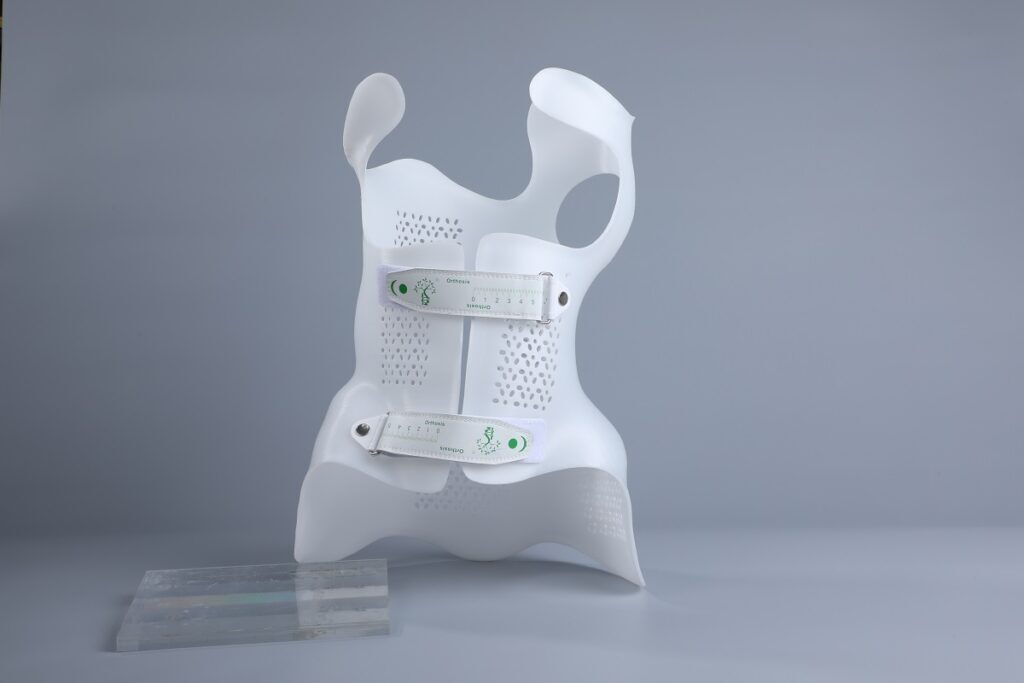
3d printing scoliosis orthoses

From Heavy and Rigid to Lightweight and Personalized

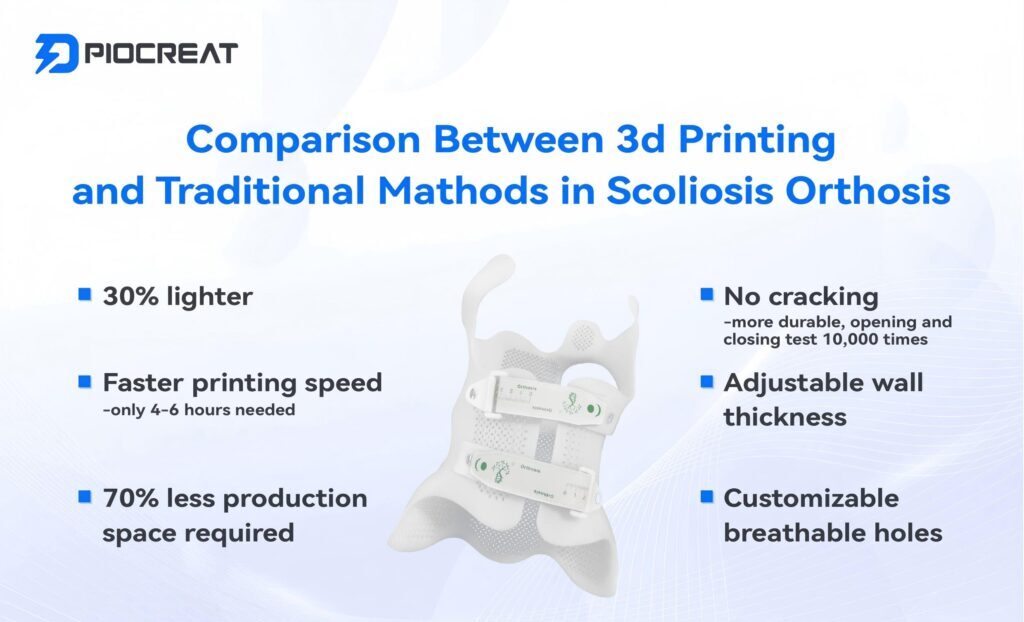
Compared with conventional methods, 3D-printed scoliosis braces are up to 30% lighter, significantly reducing the mechanical burden on patients—particularly adolescents who must wear the orthosis for extended periods.
 
Through digital design, clinicians can generate braces that conform precisely to each patient’s unique anatomy, improving not only corrective efficacy but also comfort, compliance, and long-term outcomes.

Faster, Cleaner, and More Efficient Production

Traditional brace fabrication requires highly trained technicians and extensive manual work — from mold casting and trimming to final fitting adjustments. Each step introduces potential for human error and variation in quality.
 
In contrast, 3D printing minimizes human error and reduces reliance on specialized labor. It allows clinics to produce accurate, repeatable orthoses with less training, less labor involvement, and significantly shorter production time, streamlining operations while ensuring consistent clinical outcomes.

Strength Meets Flexibility

3D-printed scoliosis braces are not only lightweight but also remarkably durable. They can withstand over 10,000 open-and-close cycles without structural compromise — a crucial improvement for long-term wear.
 
Furthermore, digital design allows precise control of wall thickness and ventilation patterns, enabling practitioners to tailor the balance between support, flexibility, and breathability according to the patient’s clinical needs.
The MS01 SE: Powering the Future of Custom Orthotics

Building upon these advantages — lightweight design, superior strength, and complete customization — the PioCreat MS01 SE elevates professional orthotic fabrication to a new standard.
 
Equipped with a high-temperature nozzle (up to 400°C), the MS01 SE supports a broad spectrum of medical-grade polymers, ensuring each brace combines flexibility with structural integrity for long-term therapeutic use.
Its large build volume (500 × 500 × 650 mm) enables fabrication of various orthoses — from scoliosis braces to lower-limb supports — fulfilling diverse clinical requirements.
 
The fully enclosed thermal chamber ensures stable internal temperatures, optimizing print success rates and product consistency—both critical for producing precise medical devices. Additionally, its material-break detection system automatically pauses and resumes printing when materials are replenished, enabling uninterrupted workflow and allowing clinicians to focus on patient care.

A Smarter Future for Scoliosis Care

3D printing is not merely improving how scoliosis orthoses are manufactured — it is redefining clinical standards.
 
By merging digital precision, patient-specific customization, and advanced material science, technologies like the PioCreat MS01 SE are empowering clinicians to deliver superior comfort, improved correction, and enhanced quality of life for patients worldwide.
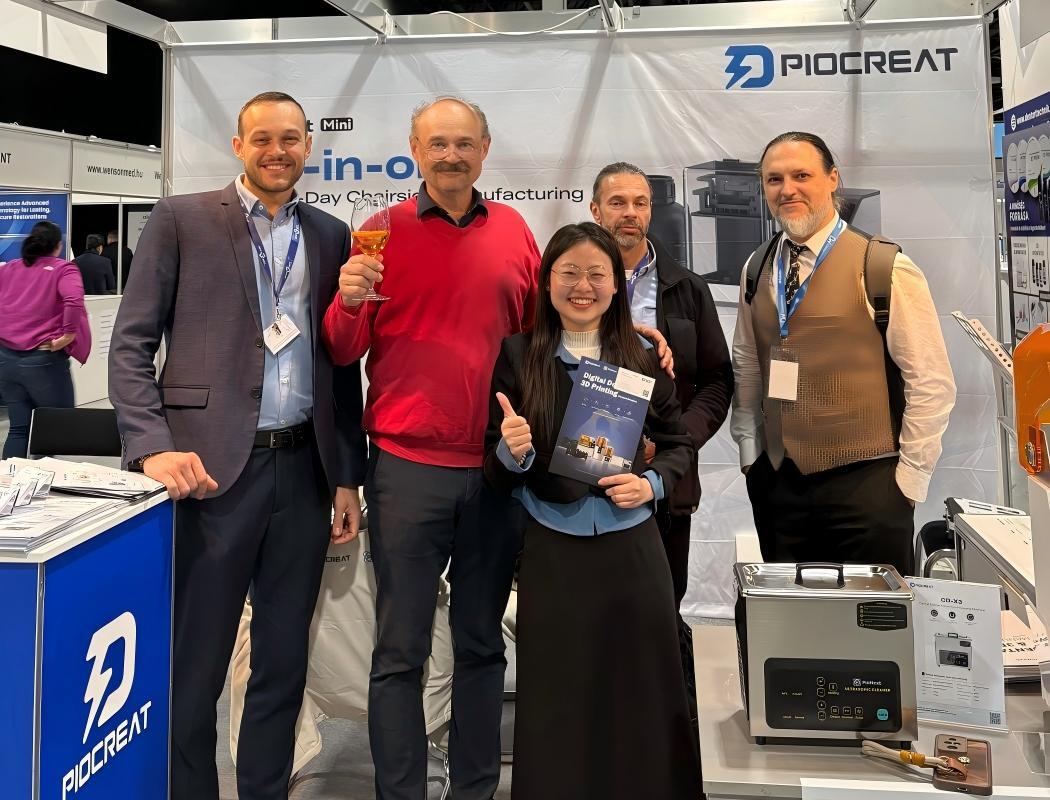
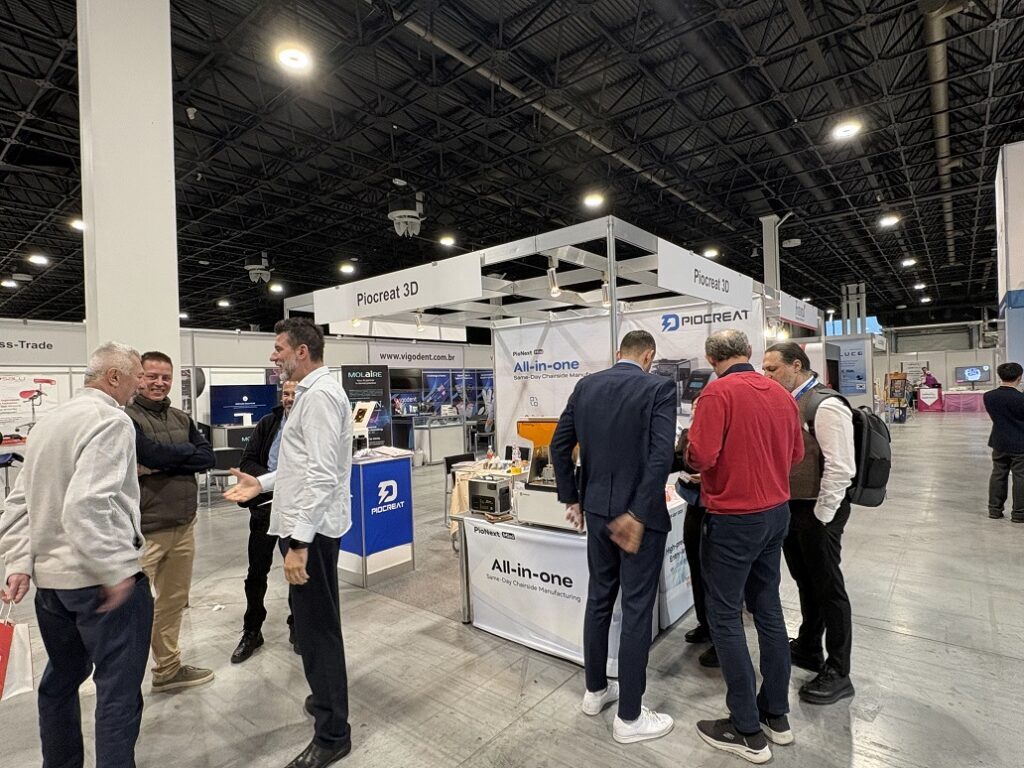
PioCreat Concludes a Successful Showcase at Dental World 2025

Dental World 2025, the largest professional gathering in the dental sector, once again proved to be a hub where innovation meets expertise. Bringing together global leaders, practitioners, and innovators, the event showcased the latest technologies, solutions, and developments shaping the future of digital dentistry.

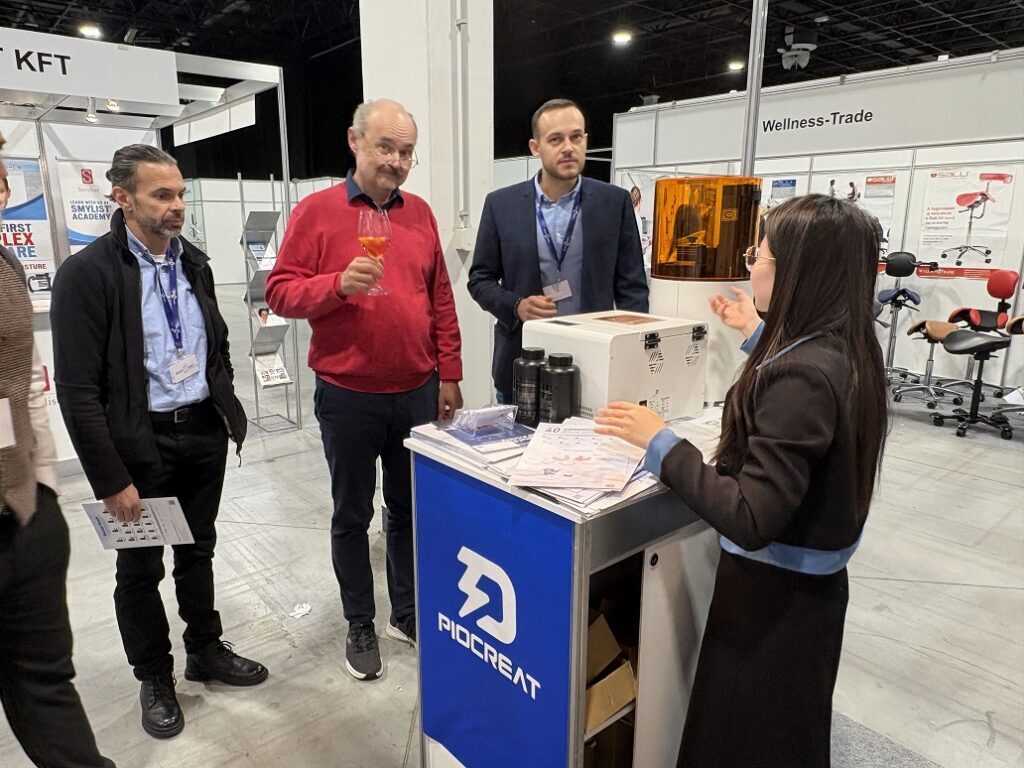
PioCreat proudly participated in this year’s exhibition, presenting its advanced dental 3D printing solutions designed to enhance precision, efficiency, and clinical workflow. The booth 118 drew strong interest from dental professionals eager to explore how 3D printing continues to redefine digital chairside and laboratory practices.

PioCreat at Dental World 2025

PioNext Mini – Compact Chairside 3D Printing Solution

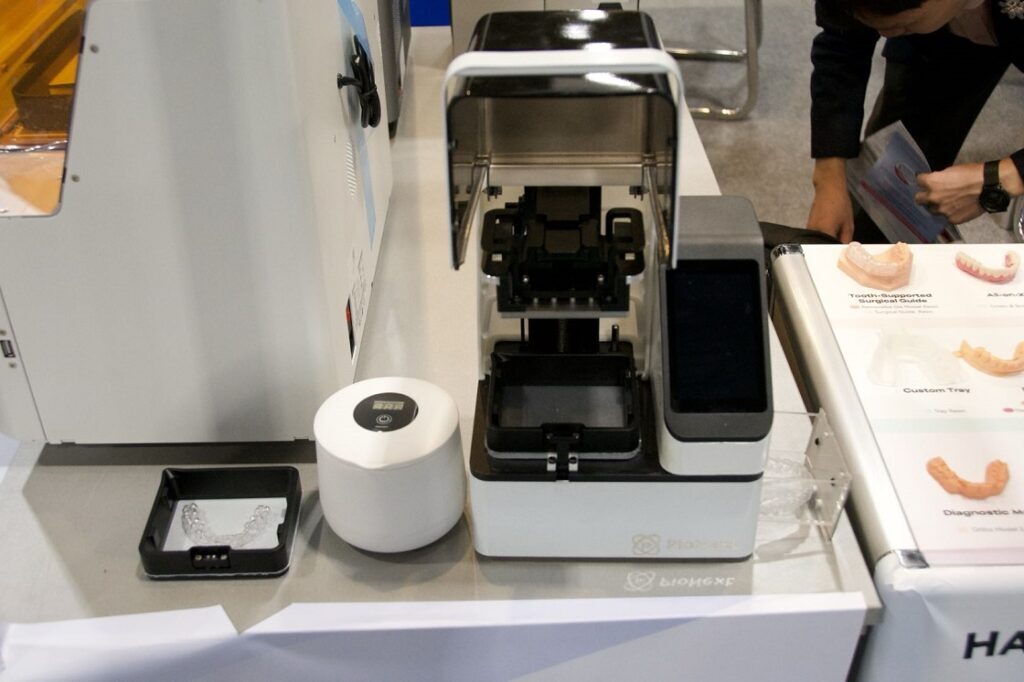
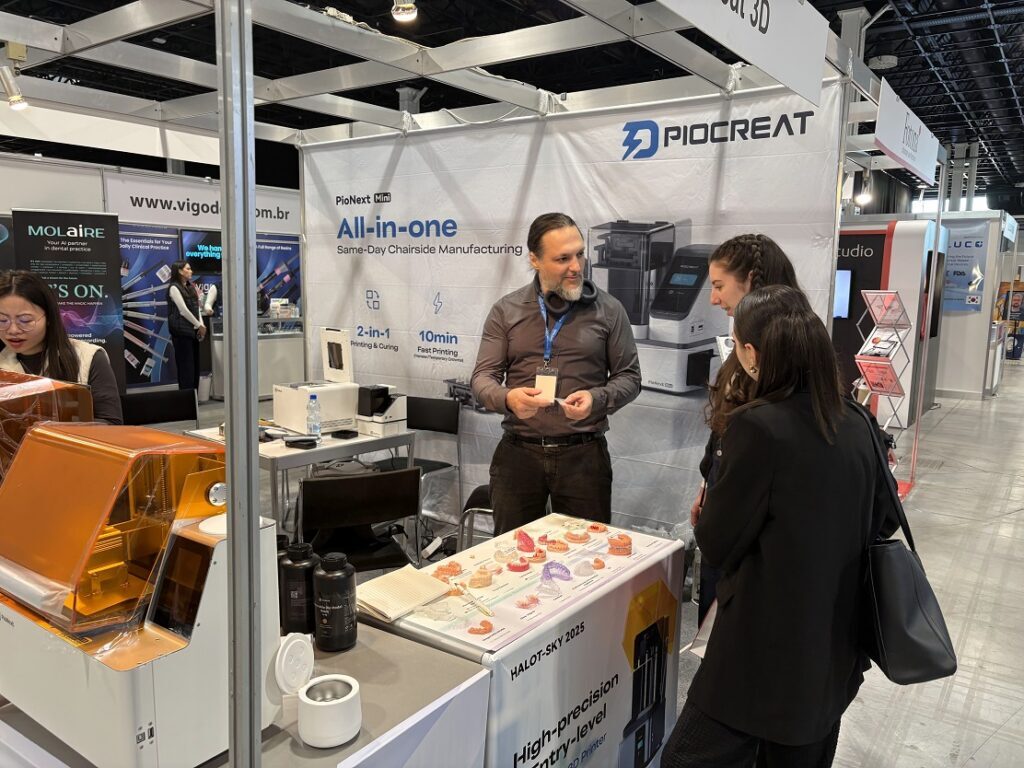
One of the event’s highlights was the PioNext Mini, an ultra-compact, suitcase-style dental 3D printer (200 × 170 × 230 mm) that integrates printing and curing in one portable device. Tailored for chairside use, it delivers remarkable speed—producing crowns in just 10 minutes and other applications within 30 minutes. With the optional LD resin vat, clinicians can achieve smooth, high-translucency aligners and splints straight from the printer, no polishing needed. The new screen protection technology also ensures a longer lifespan for consistent, reliable performance.

HALOT SKY2025 – High-Precision Entry-Level Dental 3D Printer

Also featured was the HALOT SKY2025, a high-precision, 16K resolution printer built for dental professionals transitioning to digital workflows. With an Integral Light Source 2.0 system ensuring over 90% light uniformity and a print speed of up to 100 mm/h, it combines accuracy, stability, and speed. Supporting more than 40 dental applications, from surgical guides to aligner models, the SKY2025 offers an efficient path toward digitalization.

High-Precision Entry-Level Dental 3D Printer

PioCreat remains committed to empowering dental professionals worldwide with smarter, faster, and more accessible 3D printing solutions—continuing to drive innovation in modern dentistry.

Oxford University and Run3D Discuss 3D Printing Insoles with PioCreat

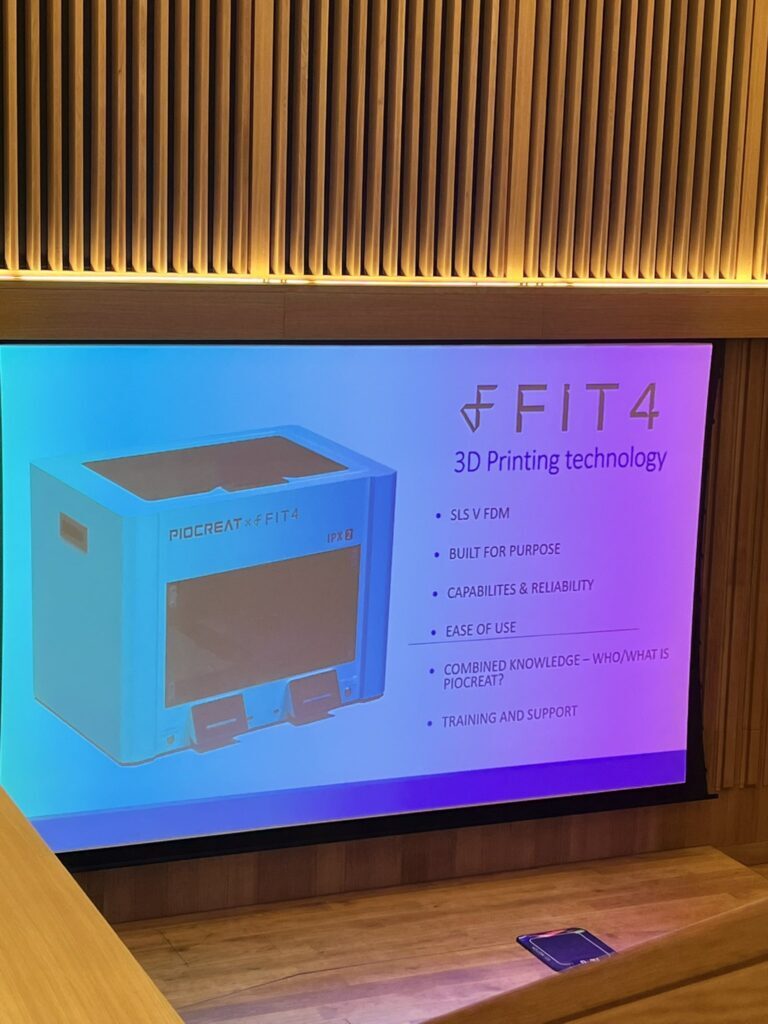
Recently, Oxford University hosted an inspiring lecture titled “Exploring the Role of 3D Printing, Super Shoes & the Future of Tech in Patient Care”, bringing together experts and innovators from the fields of medical technology, biomechanics, and digital manufacturing. Among the participants was Run3DUK, a leading UK-based medical solutions provider specializing in custom orthotic and rehabilitation products, along with PioCreat, showcasing its advanced 3D printing technology.
 
Discussions centered on the convergence of 3D printing, biomechanics, and motion science, with participants exploring how data-driven design and additive manufacturing can enhance the precision, comfort, and accessibility of orthotic and rehabilitative solutions.
Exploring the Role of 3D Printing

PioCreat IPX2: Driving Precision in Medical-Grade Footwear Production

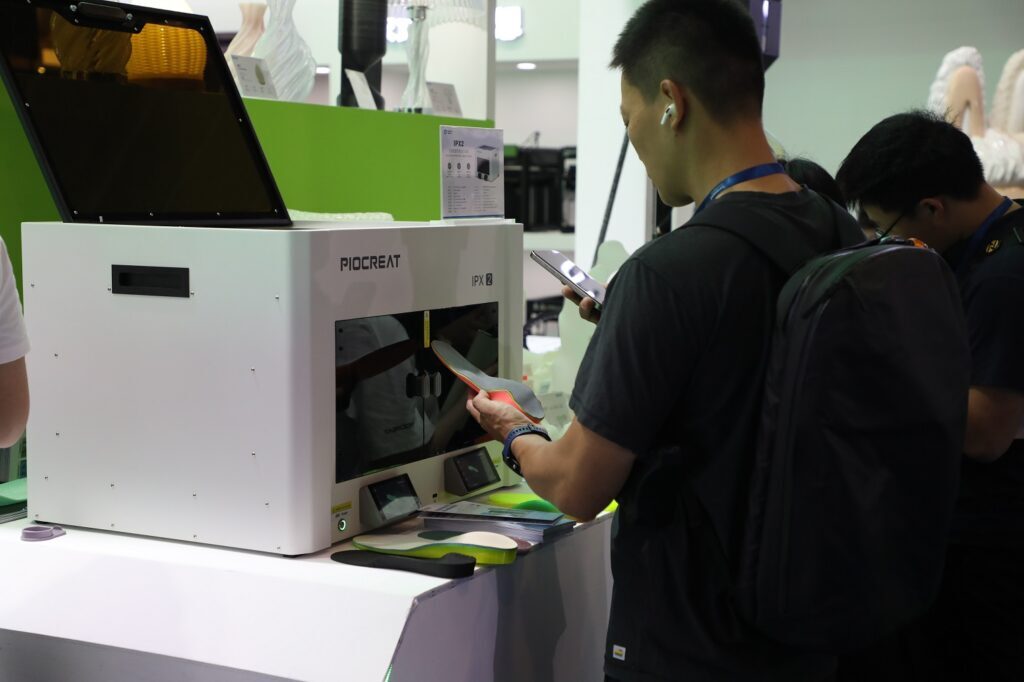
At the event, the 3D printer-IPX2 was showcased as a versatile solution designed for professional and medical-grade production.
 
Its innovative Double Station Printing System allows users to print two completely different insoles simultaneously.
 
Equipped with a dedicated extruder for soft TPU materials and capable of reaching speeds of up to 180 mm/s, the IPX2 ensures smooth and consistent extrusion, making it ideal for producing custom insoles and flexible orthotic components—significantly enhancing efficiency and productivity without compromising precision.
Its fully enclosed chassis offers a controlled and safe printing environment—particularly valuable in clinical and laboratory settings where stability, cleanliness, and reliability are paramount. All of these design choices align with the evolving needs of the healthcare sector, where precise manufacturing directly impacts patient comfort and therapeutic outcomes.
 
As one of PioCreat’s flagship products, the IPX2 continues to support institutions, labs, and clinics worldwide in exploring the full potential of additive manufacturing for personalized medical applications.

Shaping the Future of Digital Healthcare

The collaboration between Oxford University, Run3DUK, and PioCreat highlights how research institutions and technology providers can jointly advance the future of patient care. As digital tools like 3D printing become integral to rehabilitation and preventive medicine, partnerships like this will continue to drive innovation—bridging the gap between research, design, and real-world application.
 
PioCreat remains committed to supporting the medical and healthcare sectors with reliable, high-performance 3D printing solutions that transform ideas into personalized, patient-centered outcomes. To learn more about PioCreat’s Insole 3D printing solutions, please contact us at our email: info@piocreat3d.com.

PioCreat Debuts PioNext Mini at 2025 Moscow Dental Expo

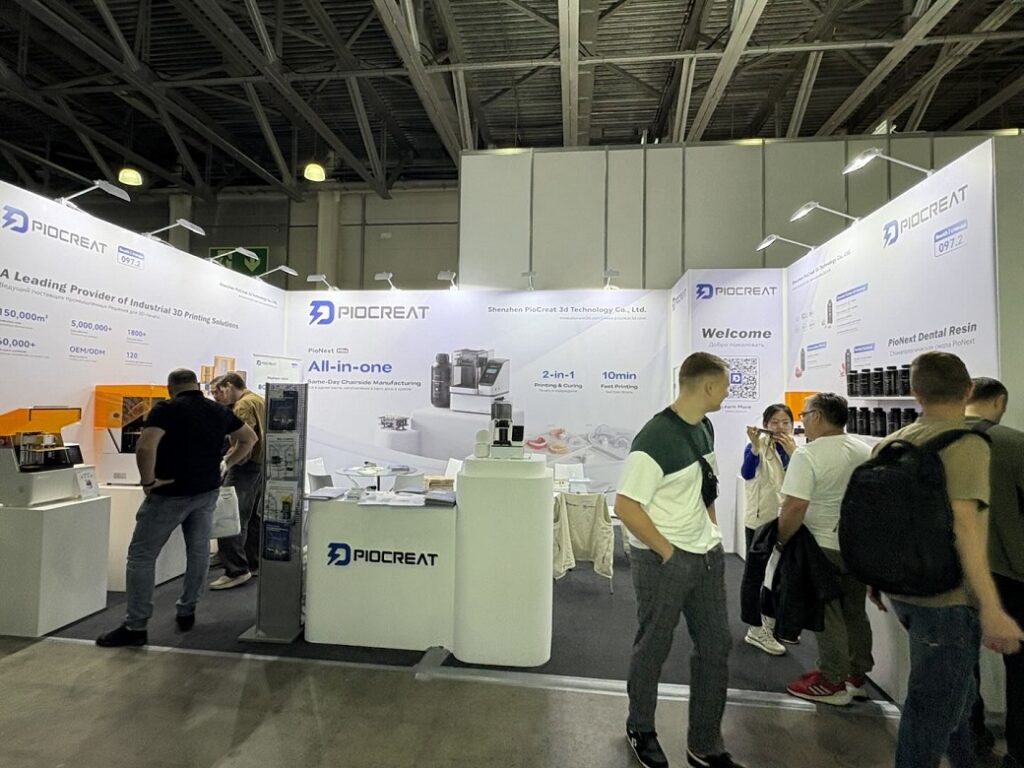
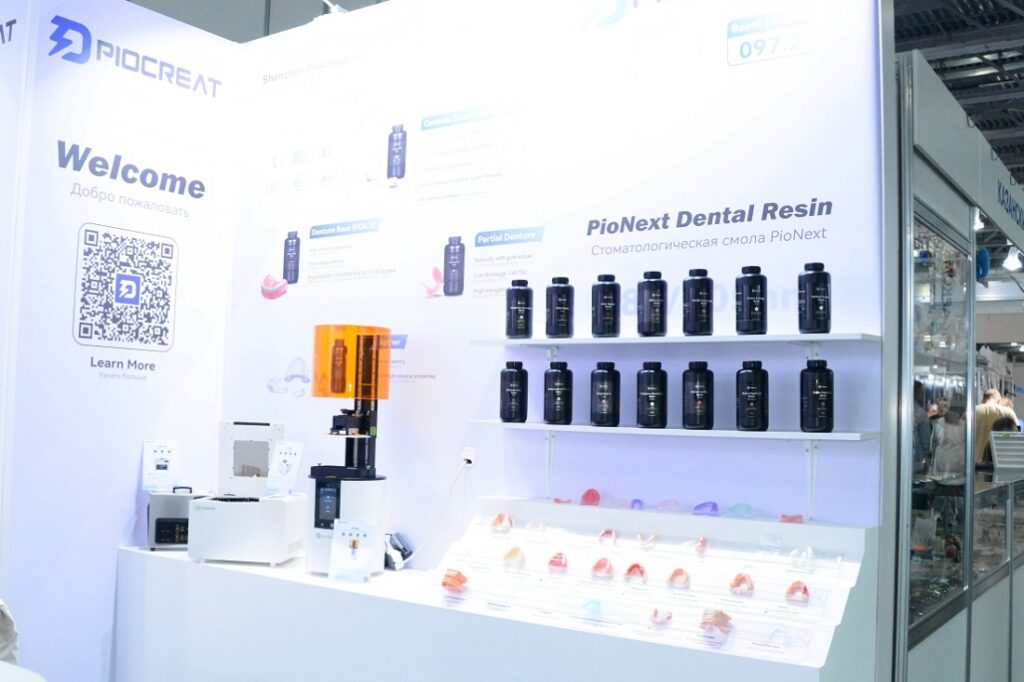
PioCreat successfully concluded an exciting showcase at the 2025 Moscow Dental Expo, held from September 22–25 at Crocus-Expo IEC. Our booth in Hall 7, 097.2 drew an impressive number of dental professionals, distributors, and industry partners eager to explore the future of digital dentistry.

PioCreat 2025 Moscow Dental Expo
Moscow Dental Expo 2025

Introducing the PioNext Mini Dental 3D Printer

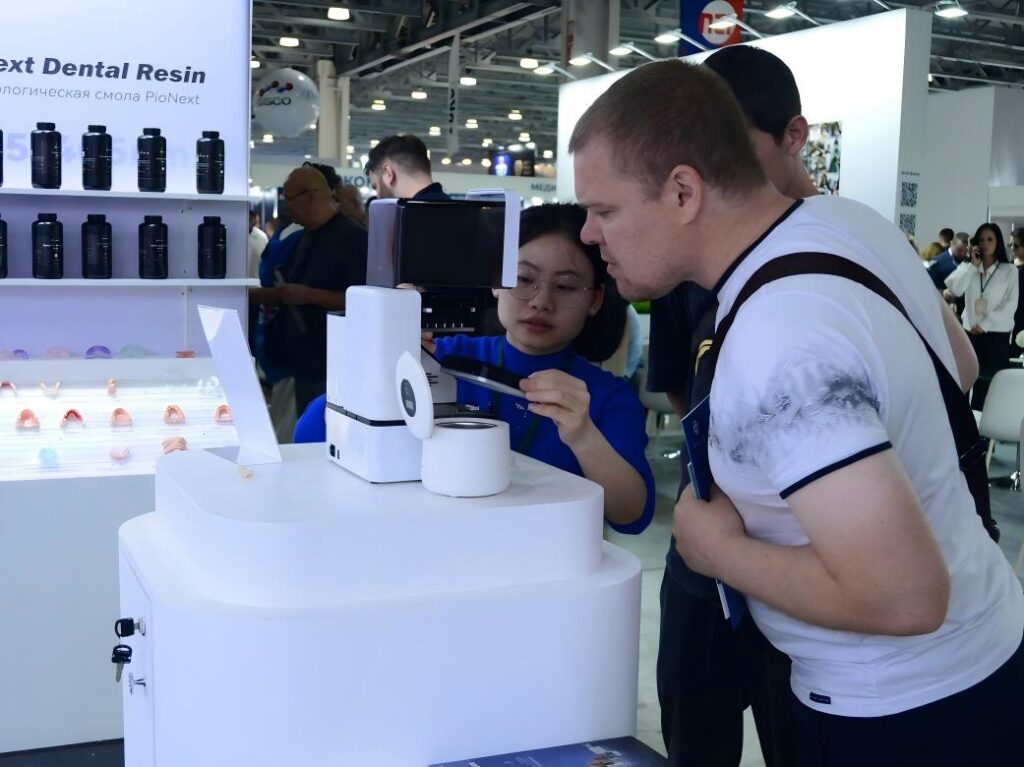
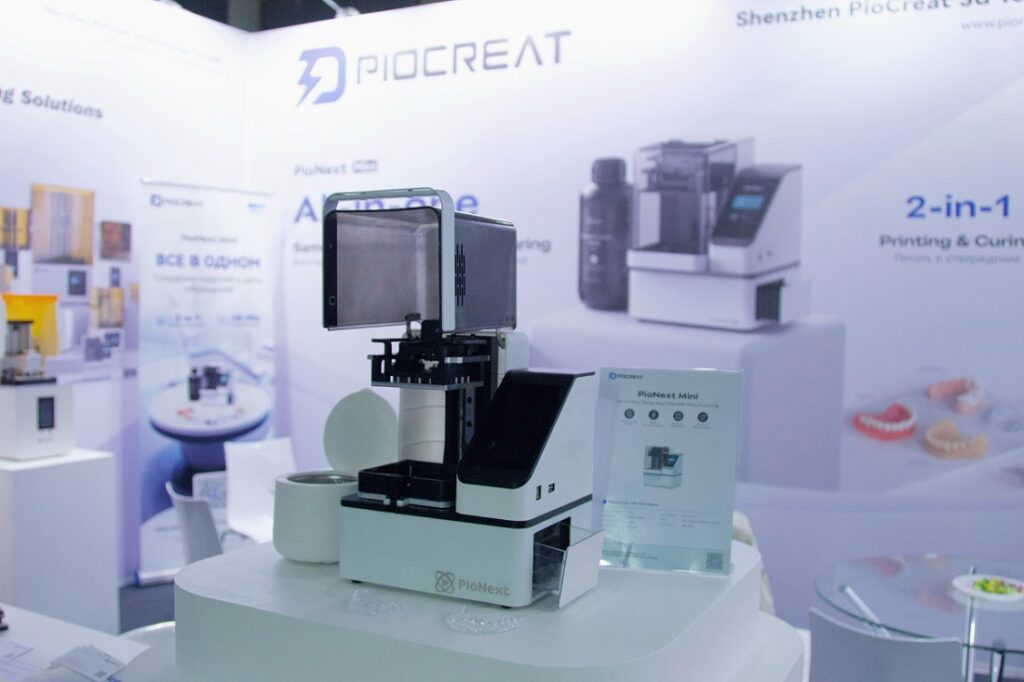
The highlight of the show was the debut of the PioNext Mini, our ultra-compact, suitcase-style dental 3D printer designed for seamless chairside integration. Measuring just 200 × 170 × 230 mm, it combines printing and curing in one portable device, saving valuable space in the clinic.

With its high-speed performance, the PioNext Mini can produce crowns in just 10 minutes, with most chairside applications completed in under 30 minutes. For clinicians seeking smooth, high-translucency aligners and splints, the optional LD resin vat allows parts to be printed with a flawless finish—no post-polishing required. The printer’s new screen protection technology further extends its lifespan, ensuring reliability and durability.

PioNext Mini Dental 3D Printer

Comprehensive Dental 3D Printing Portfolio

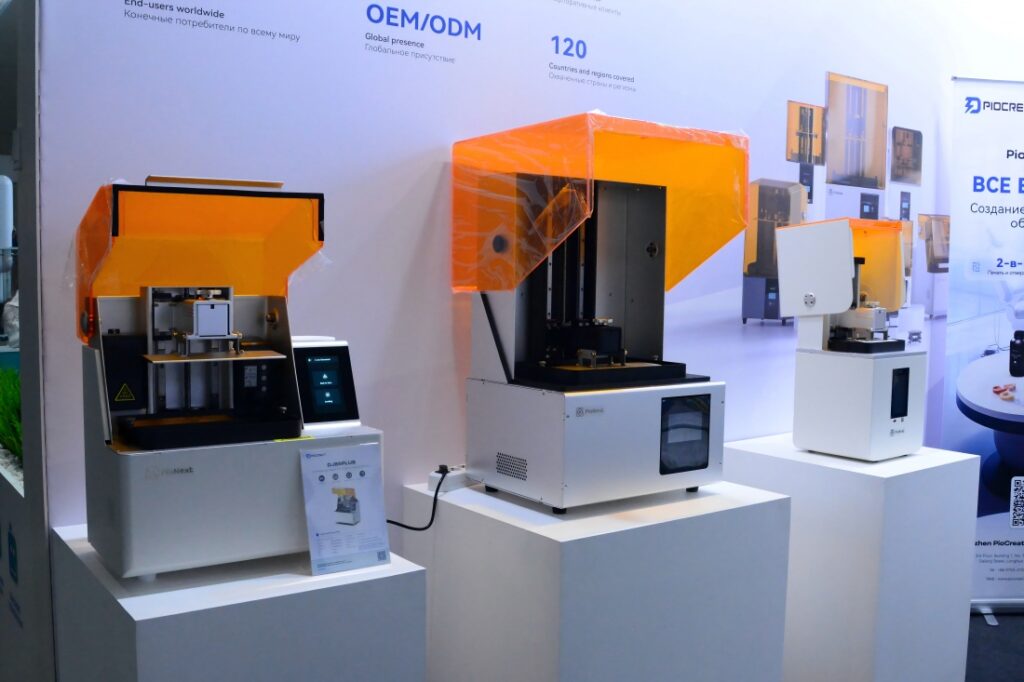
In addition to the PioNext Mini, we showcased our trusted models, including the DJ89PLUS, D160, and HALOT SKY 2025, which continue to set benchmarks for precision, efficiency, and scalability in dental manufacturing workflows.

Engaging with the Dental Community

Throughout the event, our team engaged with dentists, lab technicians, and partners, exchanging ideas and discussing how PioCreat’s solutions can transform daily workflows, reduce turnaround times, and improve patient care.

PioCreat’s presence at Moscow Dental Expo 2025 reaffirmed our mission to deliver accessible, compact, and high-performance digital dentistry tools that empower professionals and elevate patient experiences worldwide.

PioCreat Shines at Formnext ASIA SHENZHEN 2025

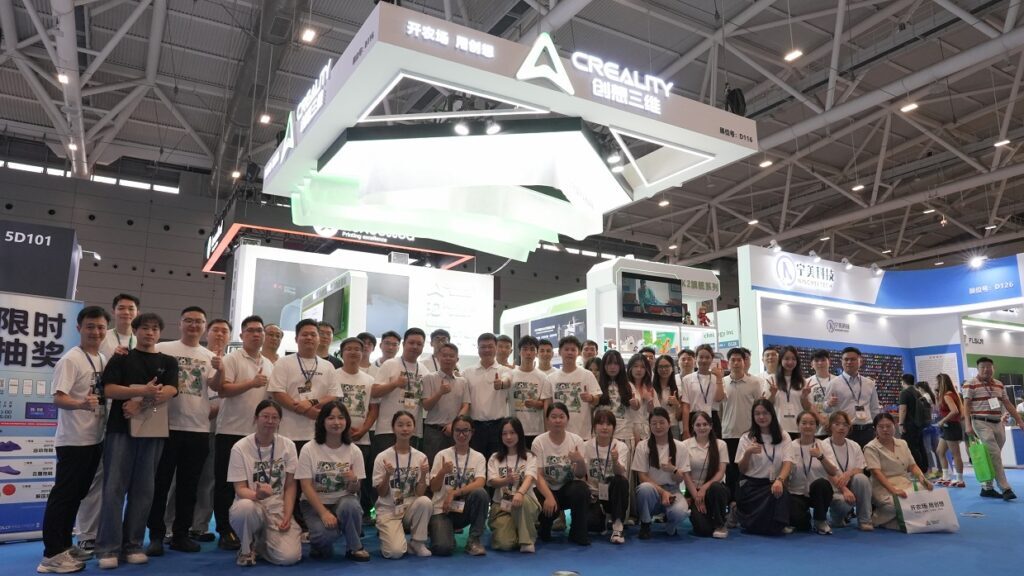
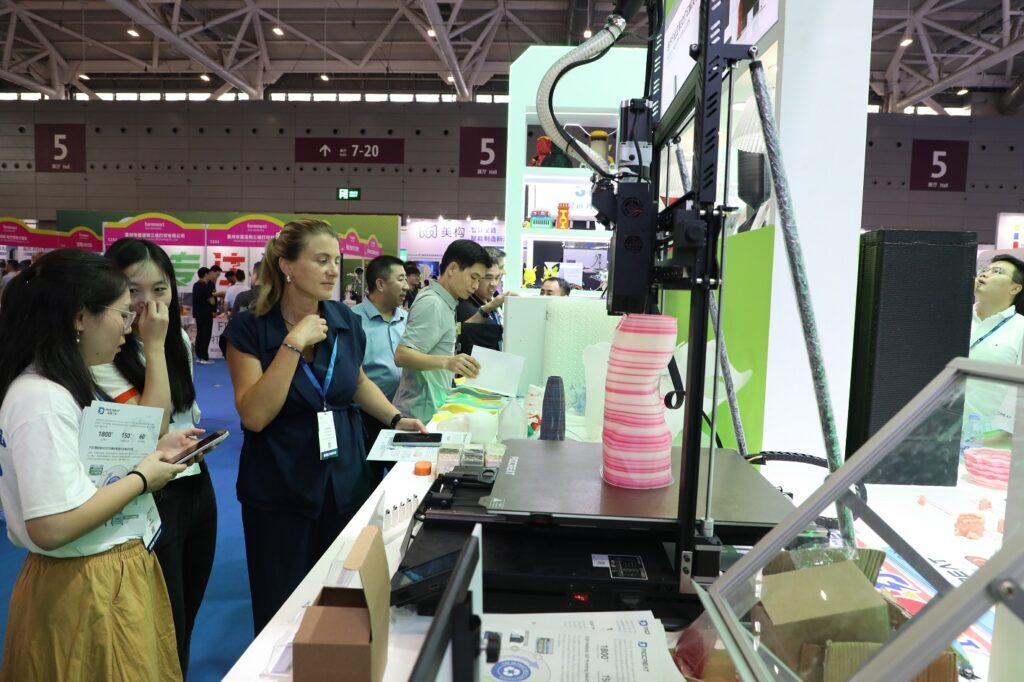
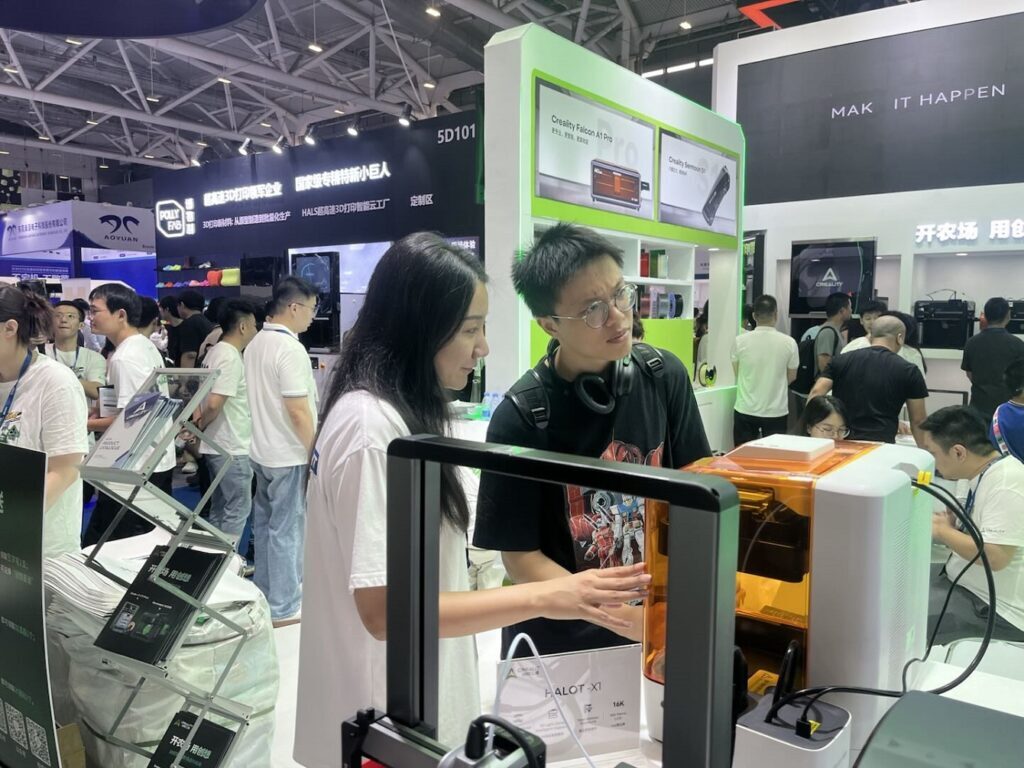
PioCreat is proud to share the highlights of our successful participation at Formnext ASIA Shenzhen 2025, where innovation and collaboration took center stage. From the very first day, our booth D116 was a hub of energy, attracting visitors, partners, and professionals eager to explore the future of additive manufacturing.

Spotlight on Star Solutions

IPX2 – 3D Printed Insole Solution

Designed for the Orthotics & Prosthetics industry, the IPX2 deliver fully personalized insoles. This solution not only enhances patient comfort but also accelerates intelligent manufacturing in healthcare.

G5 Ultra – Pellet 3D Printer

A highlight for industrial users, the G5 Ultra demonstrated its ability to combine speed, versatility, and cost-efficiency. Leveraging low-cost thermoplastic pellets, it supports sustainable production while addressing the growing demand for eco-friendly manufacturing.

HALOT-X1 – 16K Resin 3D Printer

With its ultra-high precision, the HALOT-X1 captivated creators in the anime and figurine community. Its ability to bring intricate designs to life makes it a trusted tool for artists, studios, and model enthusiasts.

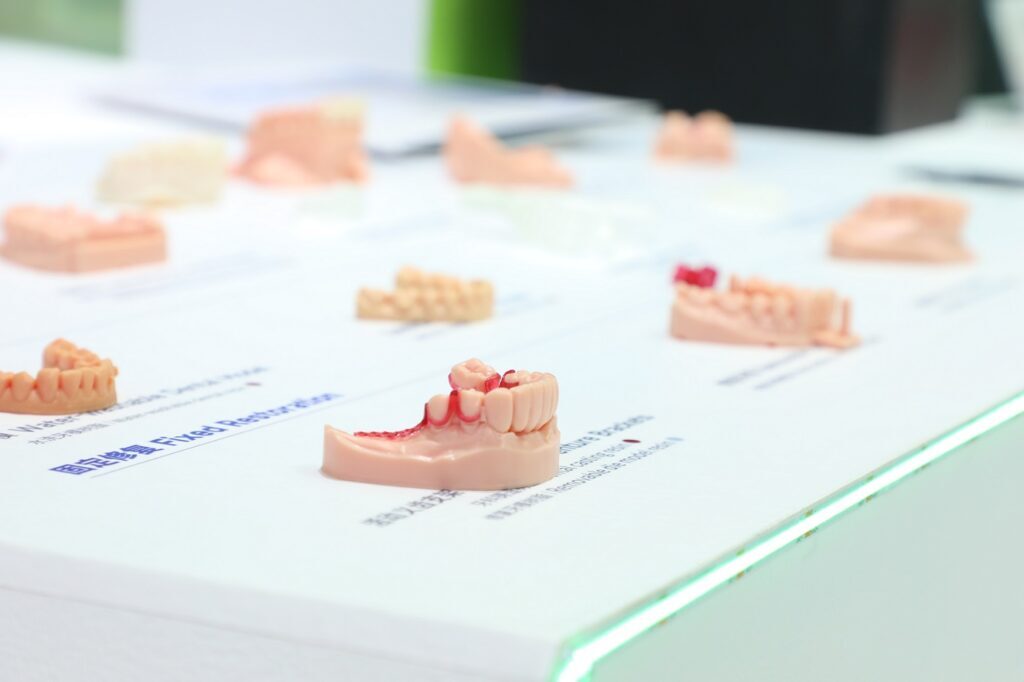
Dental 3D Printing Solutions

From surgical guides to dental models, our comprehensive digital workflows empower dental professionals with accuracy, efficiency, and reliability, driving the next stage of digital dentistry.

Building Connections

Beyond product showcases, Formnext ASIA offered invaluable opportunities for meaningful conversations with industry leaders and partners. These exchanges reaffirmed our commitment to advancing accessible, sustainable, and innovative 3D printing technologies for diverse industries.

PioCreat’s presence at Formnext ASIA Shenzhen 2025 underscores our mission to push the boundaries of additive manufacturing and deliver solutions that inspire confidence, creativity, and progress.

3D Printing for Orthotics & Prosthetics: Applications, Benefits, and Solutions

The orthotics and prosthetics (O&P) industry is undergoing a digital revolution, with 3D printing emerging as a transformative force. By combining precision engineering, biocompatible materials, and simplified workflows, additive manufacturing offers new ways to create customized medical devices that improve patient comfort, functionality, and quality of life.

This blog explores how 3D printing is being applied across orthopedics, the benefits it delivers, and how PioCreat’s latest printer solutions are designed to meet the unique demands of the O&P field.

How Is 3D Printing Used in Orthopedics?

3D printing has expanded into nearly every area of orthotics and prosthetics. Below are some of the most common applications:

Insoles

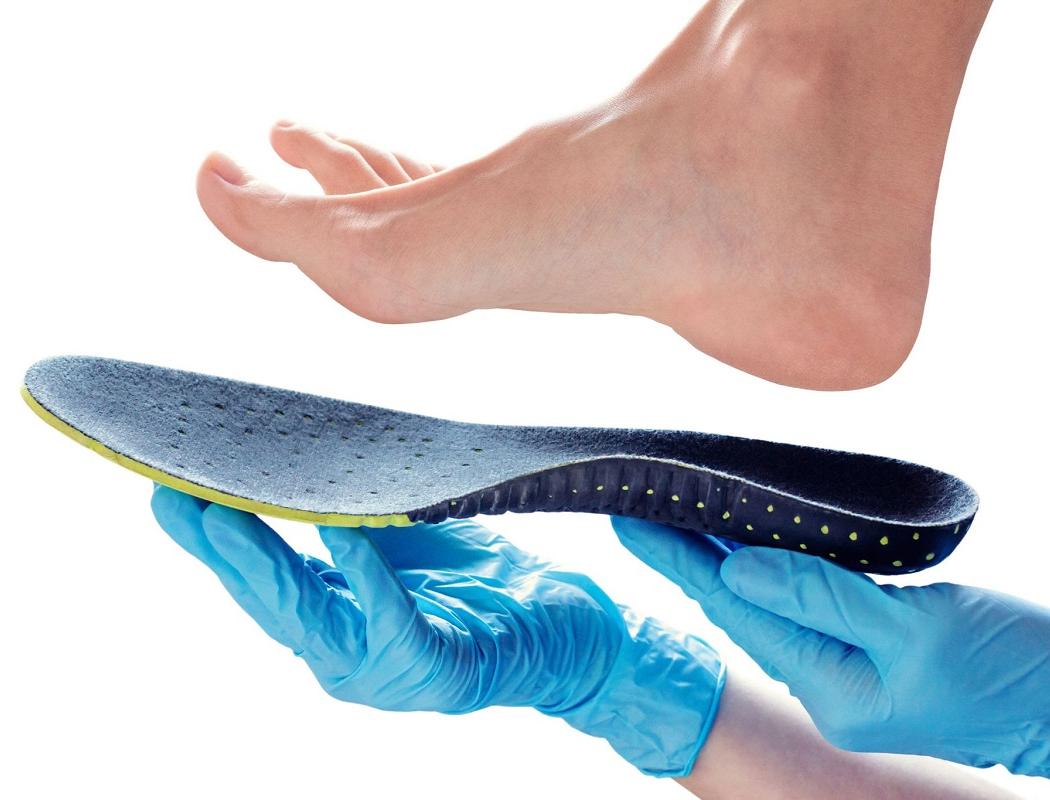
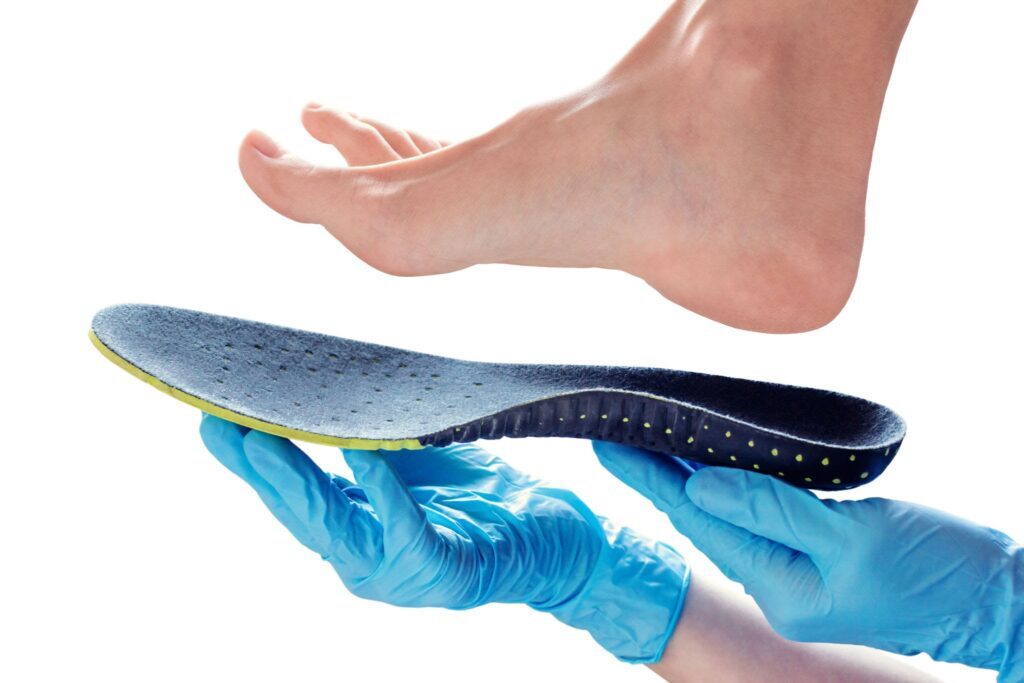
3D-printed insoles allow for precise customization, tailored to the exact shape of a patient’s foot. Clinicians can design insoles with varying hardness levels, arch support, and ventilation structures, creating personalized solutions for foot pain relief and long-term orthopedic support.

Scoliosis Braces

Traditional scoliosis braces are bulky and time-consuming to manufacture. With 3D printing, braces can be lighter, more breathable, and anatomically accurate. Patients benefit from greater comfort and compliance, while clinics streamline their production process.

3d printing scoliosis

Prosthetic Sockets and Covers

A prosthetic socket is the most critical interface between a patient and their prosthesis. 3D printing ensures sockets are highly accurate and contoured to each patient’s anatomy, reducing the risk of pressure points. Custom cosmetic covers can also be printed to restore confidence and individuality.

Cranial Remolding Helmets

For infants with plagiocephaly, 3D printing allows for lightweight, breathable cranial helmets designed with exact cranial geometry. These helmets provide effective correction while ensuring comfort during critical growth phases.

Wrist and Hand Orthoses

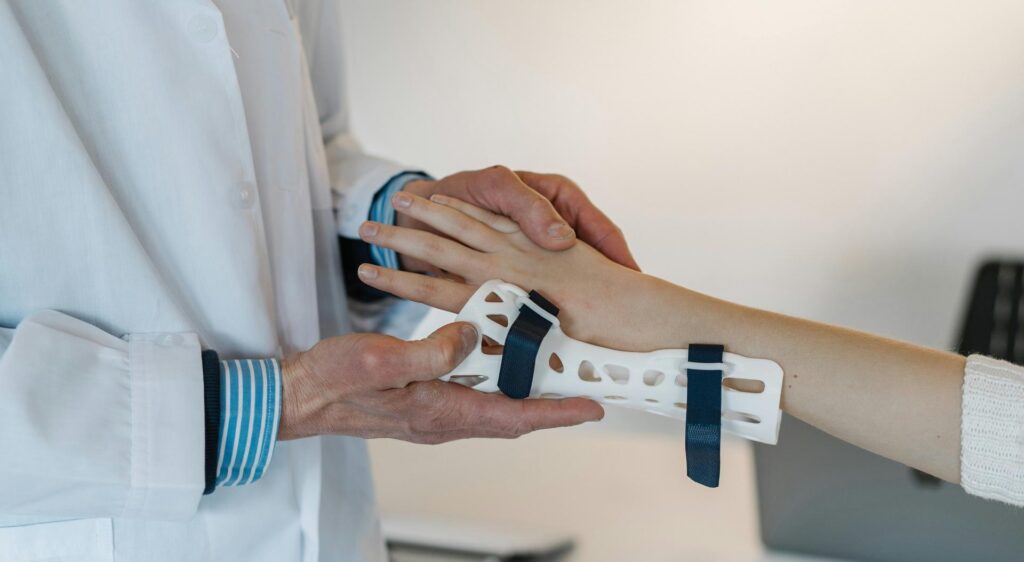
Additive manufacturing enables the creation of lightweight and functional hand and wrist supports, providing stability and mobility while allowing breathable, open designs for improved patient compliance.

What Are the Benefits of Using 3D Printing in Orthotics & Prosthetics?

Sustainability

Traditional O&P manufacturing can be wasteful, with large amounts of excess material. 3D printing optimizes material usage, reducing waste and promoting more sustainable clinical practices.

Cost Savings

By eliminating the need for expensive molds, casts, and manual labor, 3D printing lowers production costs. Clinics can reinvest these savings into patient care or new technologies.

Simplified Workflow

Digital workflows—from scanning to design to print—remove the complexity of manual processes. This allows clinicians to easily adjust designs and iterate quickly without starting from scratch.

Time Savings

What once took weeks can now be completed in days. Patients benefit from faster device delivery, while clinics improve efficiency and capacity.

Printing Materials for Orthotics & Prosthetics

Material selection is critical for producing safe, effective, and durable O&P devices.

PP Composite for Scoliosis Braces

Polypropylene (PP) composites provide a balance of durability and flexibility, essential for scoliosis braces that must endure repeated wear. PioCreat’s PP composite has passed rigorous testing, including 5,000 opening and closing cycles, ensuring long-term performance in clinical use.

TPU for Insoles

Thermoplastic polyurethane (TPU) is widely used for insoles thanks to its flexibility, comfort, and shock absorption properties. TPU also allows for design variations in hardness, enabling clinicians to fine-tune insoles for different patient needs.

3D Printers for Orthotics & Prosthetics

PioCreat has developed specialized 3D printing solutions tailored to the O&P industry, ensuring clinicians and manufacturers have access to systems designed for medical applications.

MS01 SE: High-Temperature Pellet 3D Printer

The MS01 SE is the latest addition to PioCreat’s portfolio, specifically optimized for orthotic applications such as scoliosis corsets. With an industrial-grade nozzle temperature of up to 400°C, it can process advanced medical-grade polymers like PP composites. The large build size of 650mm ensures full-size brace production in one print. By removing unnecessary components for this focused application, the MS01 SE offers stable, reliable performance ideal for clinical environments.

IPX2: Special 3D Printer for Custom Insoles

The IPX2 is a dedicated solution for podiatrists and orthopedic shoe technologists. It combines materials, hardware, and software into one streamlined system, making it simple to produce custom insoles in-house. This reduces outsourcing costs, shortens turnaround times, and ensures patients receive precisely fitted insoles quickly and affordably.

Name
Country

PioCreat 3D Official Store