3D Printed Wall Climbing Magnetic Device with G5 Ultra


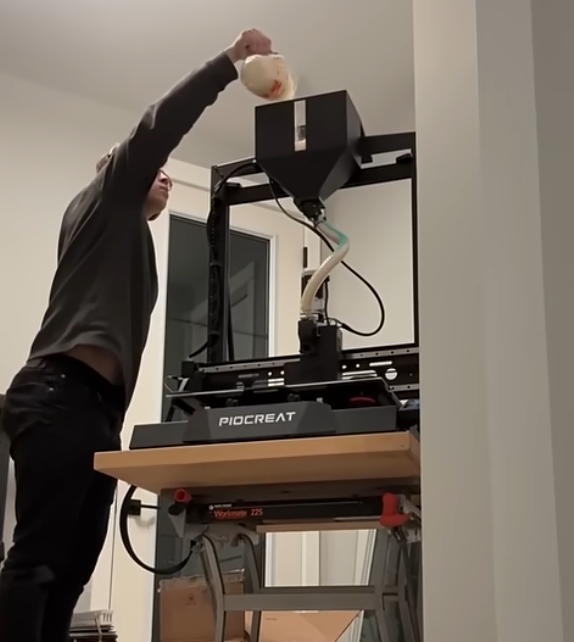
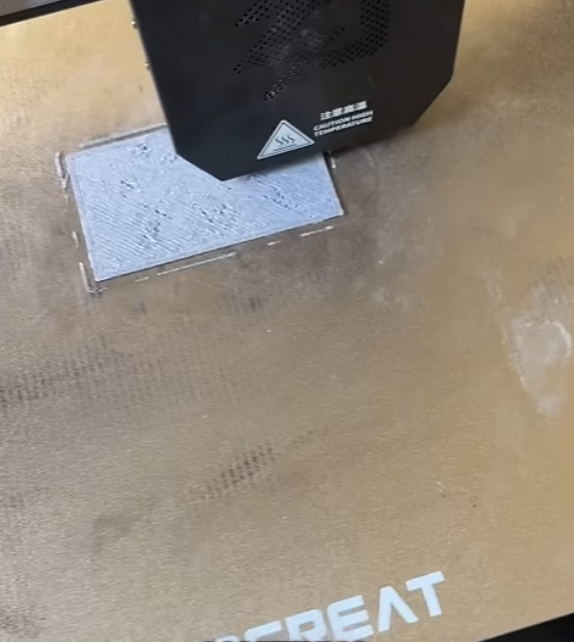


At the intersection of creativity, engineering, and cutting-edge fabrication lies a compelling experiment from Canadian content creator Tyler Csatari, who boasts an audience of 2.65 million followers. His recent project—a wall climbing magnetic device—showcases not only his inventive spirit but also the powerful capabilities of PioCreat’s G5 Ultra Pellet 3D Printer.
In this exciting build, Tyler set out to test a set of industrial magnets rated to support up to 400 pounds with the goal of creating a functional wall-climbing tool. However, during initial trials, he discovered a critical flaw: the magnets slipped easily on surfaces, failing to provide the necessary grip to support his weight.
To solve this, Tyler turned to additive manufacturing. Leveraging the G5 Ultra’s FGF (Fused Granulate Fabrication) 3D printing technology, he began printing parts with a custom material blend—including iron powder and flexible rubber pellets—to create components that were both magnetic and non-slip.
Throughout the project, he faced several engineering challenges. Structural fractures in early prototypes forced him to repeatedly refine the design. But thanks to the G5 Ultra’s material compatibility, large build volume (500×500×400 mm), and screw extruder system, Tyler was able to iterate quickly, pushing the limits of functionality with each version.
Ultimately, his perseverance paid off. The final result was a full “wall climbing suit” equipped with magnet-enhanced grips for both hands and feet. The combination of material innovation and rapid prototyping enabled by the G5 Ultra allowed him to move from concept to a working prototype within a remarkably short timeframe.
This case study highlights more than a viral video—it demonstrates the real-world potential of pellet 3D printing in functional prototyping, particularly in combining multi-material composites to solve performance-based problems.
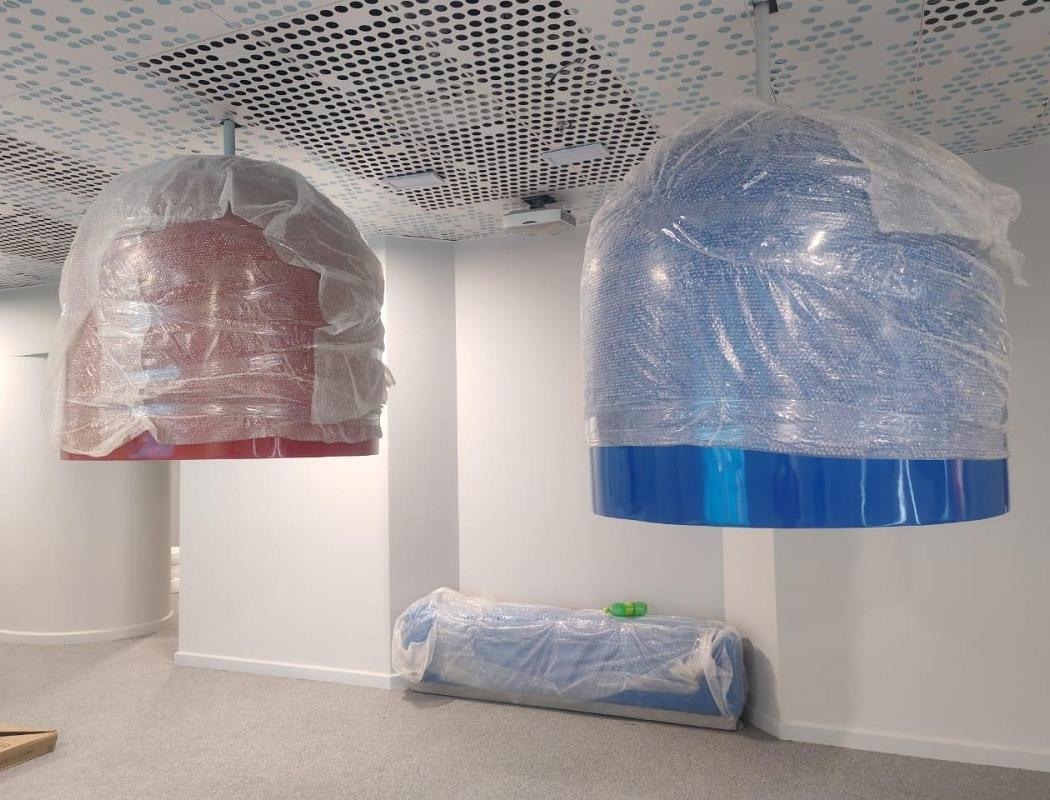
In the evolving landscape of museum and exhibition design, innovation, artistry, and sustainability must work in harmony. This vision recently came to life through a remarkable collaboration between Samaya Investment, a Saudi company specializing in cultural and exhibition projects, and PioCreat, a leader in industrial 3D printing technology.
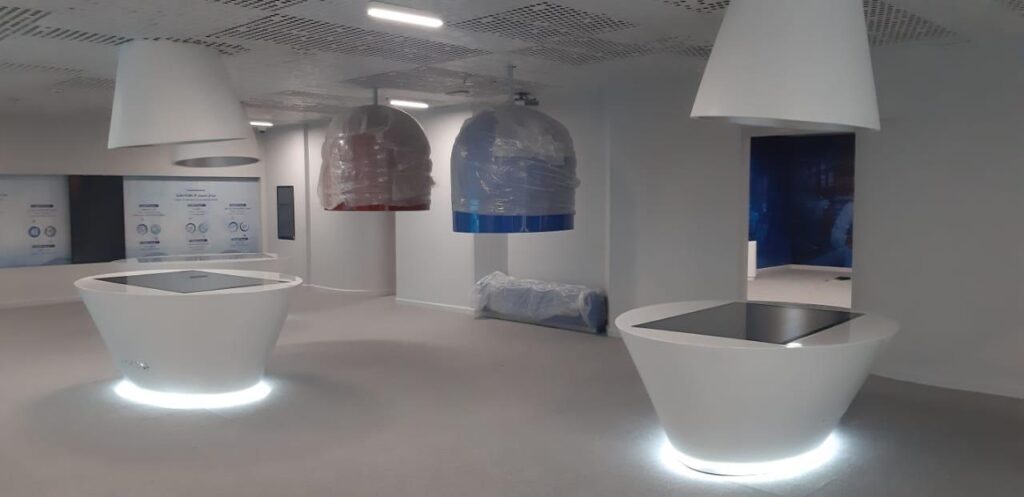
Samaya Investment is renowned for delivering world-class cultural experiences, offering services that span architectural design, interior planning, and technical development for museums, visitor centers, and exhibitions—both permanent and temporary. Their team is committed to transforming narratives into immersive physical spaces that engage, educate, and inspire.
In one of their latest museum projects, Samaya aimed to integrate large-scale artistic installations that not only stood out visually but also aligned with sustainable and innovative production methods. For this purpose, they turned to PioCreat and its cutting-edge G12 FGF (Fused Granulate Fabrication) Pellet 3D Printer.
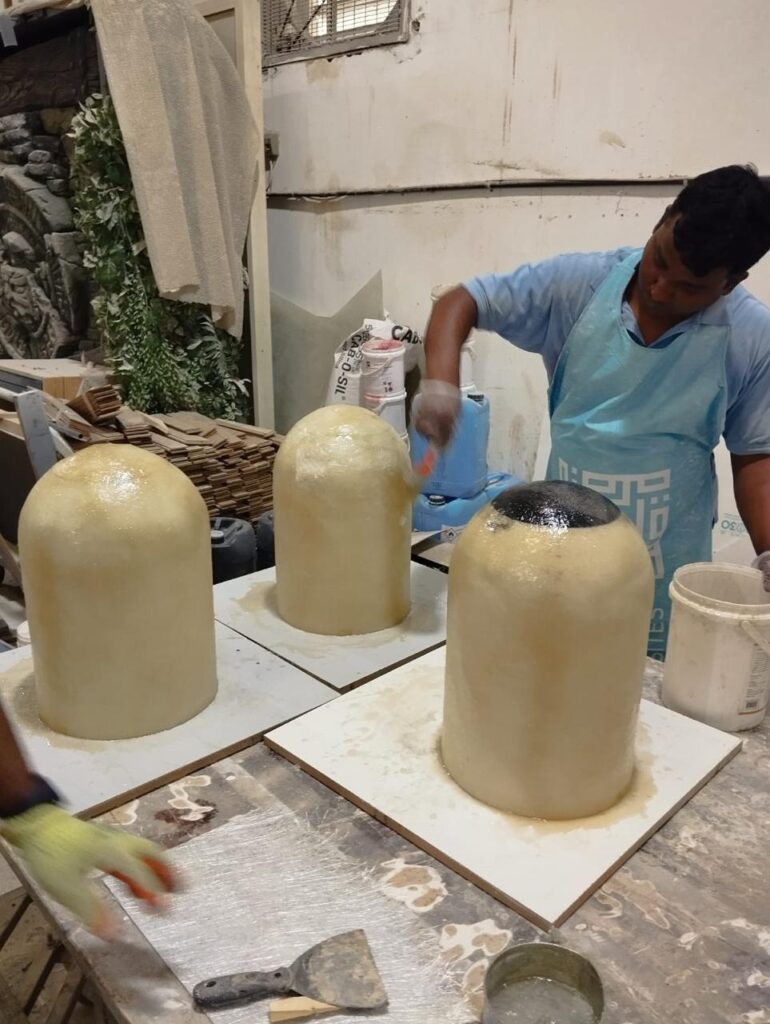
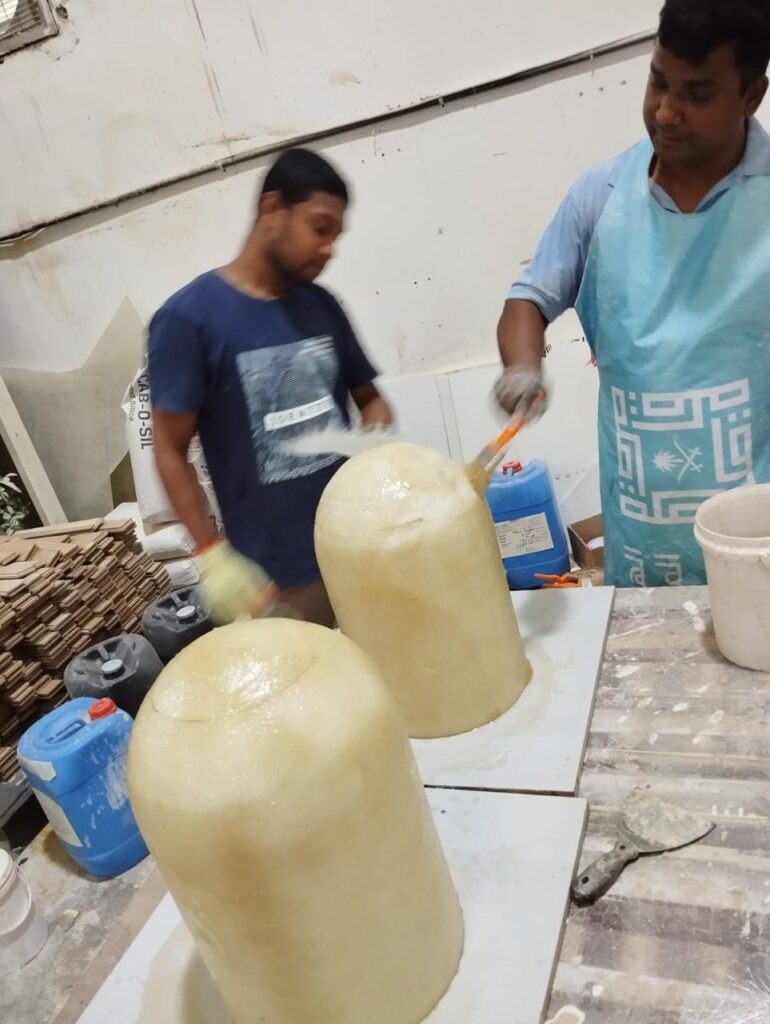
For this ambitious project, the G12 offered a number of decisive advantages:
Speed to Market: The G12 enabled rapid prototyping and full-scale production of large decorative elements in a fraction of the time required by traditional fabrication methods. This agility allowed Samaya’s design team to swiftly iterate and gain client approvals without delays.
Cost Efficiency: Using thermoplastic pellets, the G12 bypassed the need for costly molds and tooling. This digital-to-physical workflow significantly reduced production costs and improved overall budget control.
Design Freedom: The G12’s ability to print large, complex geometries gave Samaya the freedom to explore organic forms, intricate textures, and bold structures that would be difficult or impossible to achieve with conventional manufacturing.
Sustainable Innovation: With minimal waste and the use of recyclable ABS material, the project embraced eco-conscious practices—a key value for both Samaya and the cultural institutions they serve.
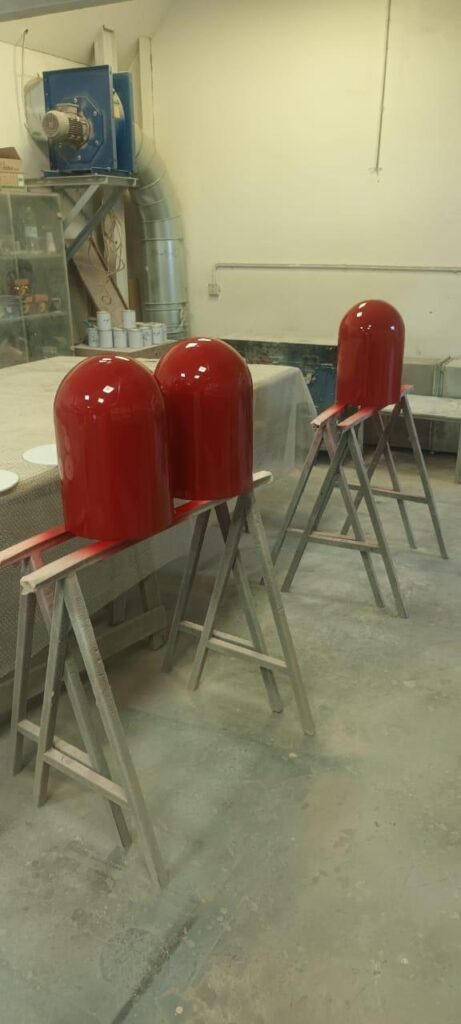
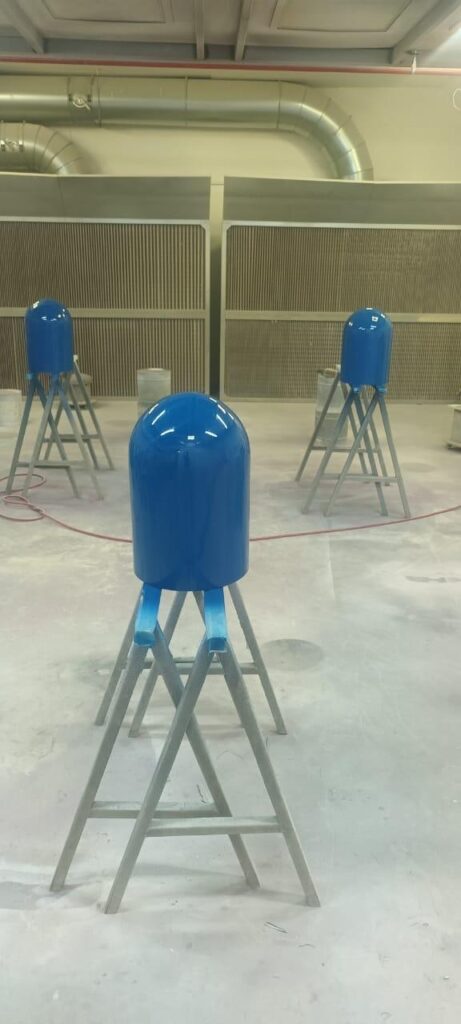
The final product was a series of large-format, visually captivating art installations that became focal points within the museum’s new exhibit space. Printed in durable ABS using the G12 and then finished with custom painting and surface treatments, the results were stunning—vivid in color, intricate in form, and seamless in execution.
These installations not only enhanced the visual narrative of the museum but also demonstrated the practical power of additive manufacturing in architectural and cultural design applications. Compared to traditional sculpting or fabrication techniques, the G12 dramatically improved production speed and reduced logistical complexities.
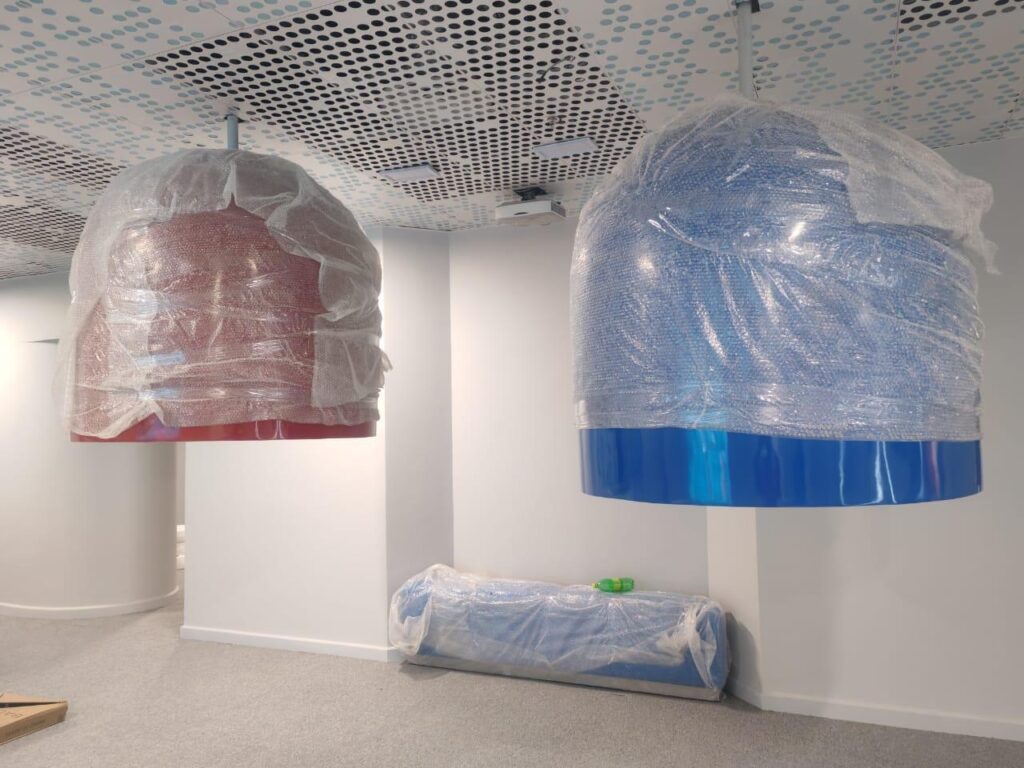
This collaboration between Samaya Investment and PioCreat showcases a broader shift in how designers, curators, and fabricators are approaching modern exhibition and museum planning. Additive manufacturing is no longer just a prototyping tool; it is becoming a core enabler of artistic expression, operational efficiency, and sustainable design in the cultural sector.
“With the G12, we were able to turn bold artistic visions into tangible centerpieces in record time, while staying true to our commitment to quality and sustainability,” said a Samaya project representative. “It’s not just technology—it’s a tool for storytelling.”
The G12 Pellet 3D Printer is designed for large-format, high-speed extrusion using open-source thermoplastic pellets. Ideal for manufacturing patterns, molds, artistic structures, tooling, and full-scale prototypes, it supports a wide range of materials and is equipped for demanding creative and industrial environments.

In today’s design landscape, sustainability, personalization, and cutting-edge technology are no longer separate priorities—they’re interwoven. At the intersection of these trends lies one of the most exciting developments in lighting and décor: 3D printed lamps. Leveraging additive manufacturing, designers and manufacturers are reshaping how lighting is conceived, produced, and experienced—reducing waste, embracing eco-friendly materials, and delivering stunning, nature-inspired aesthetics.
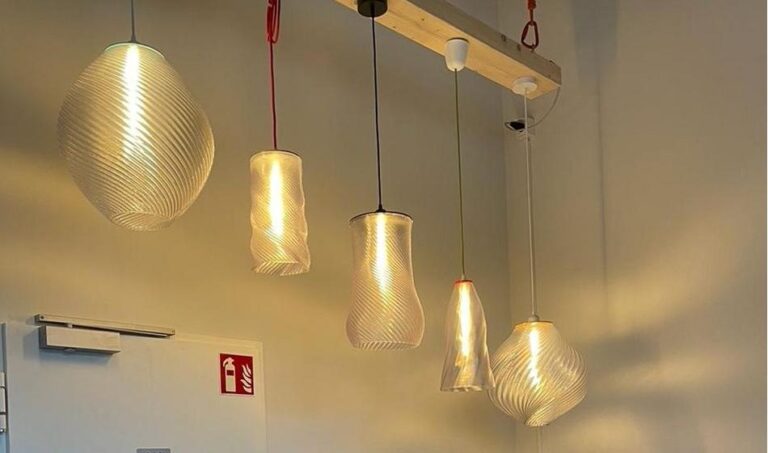
With 3D printing, especially pellet 3D printing, we are embracing a shift toward sustainable production methods that minimize environmental impact. Traditional lamp manufacturing often involves multiple material processes, wasteful offcuts, and shipping inefficiencies. In contrast, 3D printing enables on-demand, zero-waste fabrication, significantly reducing carbon emissions and production waste.
By printing directly from low-cost thermoplastic pellets—including biodegradable and recycled plastics—we eliminate the need for energy-intensive intermediate steps. This streamlined production not only benefits the planet but also allows unparalleled flexibility in design.
3D printed lamps are more than functional light sources—they are sculptural centerpieces. Drawing inspiration from the intricate forms found in nature—leaf veins, coral structures, honeycombs, and wave patterns—these lampshades reflect an organic elegance that’s both timeless and futuristic.
The layered manufacturing process of 3D printing beautifully captures these complex geometries, resulting in lampshades that diffuse light in captivating ways, casting delicate shadows and soft glows that add depth and atmosphere to any space.
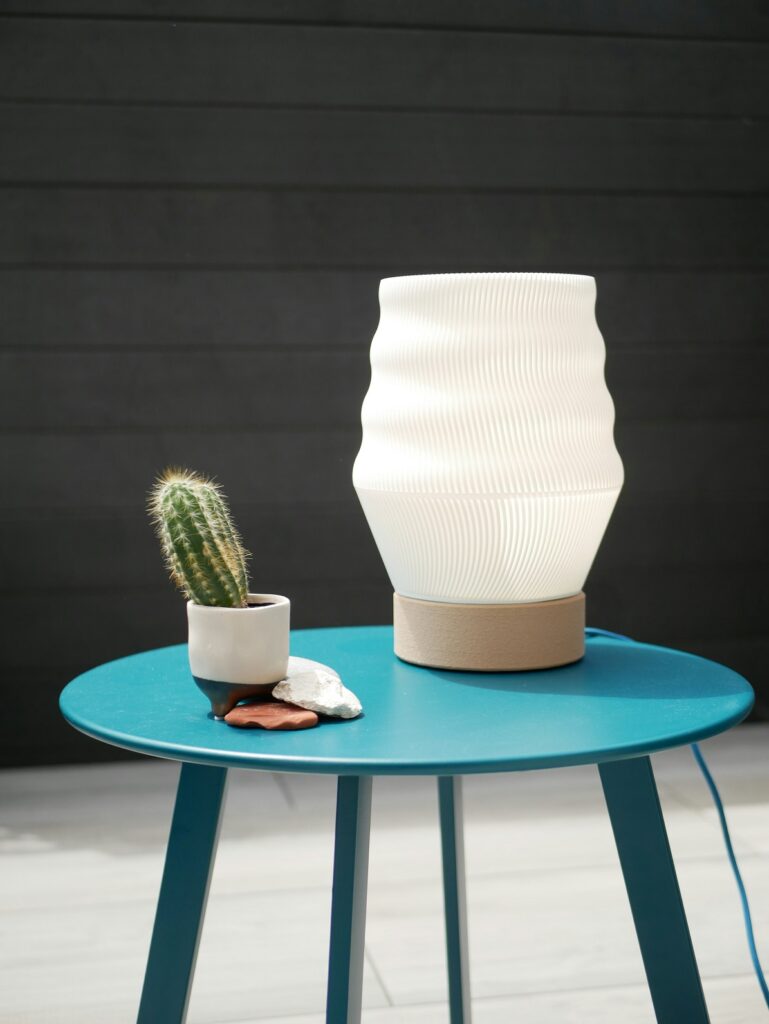

Beyond aesthetics, the choice of materials is central to the appeal of 3D printed lighting. Many 3D printed lamps are created using biodegradable composites—often PLA blends reinforced with natural fibers like bamboo, hemp, or flax. Others use PETG made from recycled plastic bottles, combining durability with eco-conscious sourcing.
These materials are:
Lightweight, making installation easier and safer.
Heat-resistant, suitable for various lighting applications.
Environmentally responsible, aligning with modern sustainability goals.
Whether minimalist or expressive, 3D printed lamps offer unmatched freedom in form. The layering process allows for precise texture, translucency, and geometry, enabling unique interactions between light and shade.
This makes them ideal for:
Modern interior styles seeking a statement piece.
Workspaces needing ambient, diffused lighting.
Hospitality settings, where atmosphere is everything.
Their modular production also allows for scalable customization, from one-of-a-kind gallery pieces to small-batch production for boutique brands.

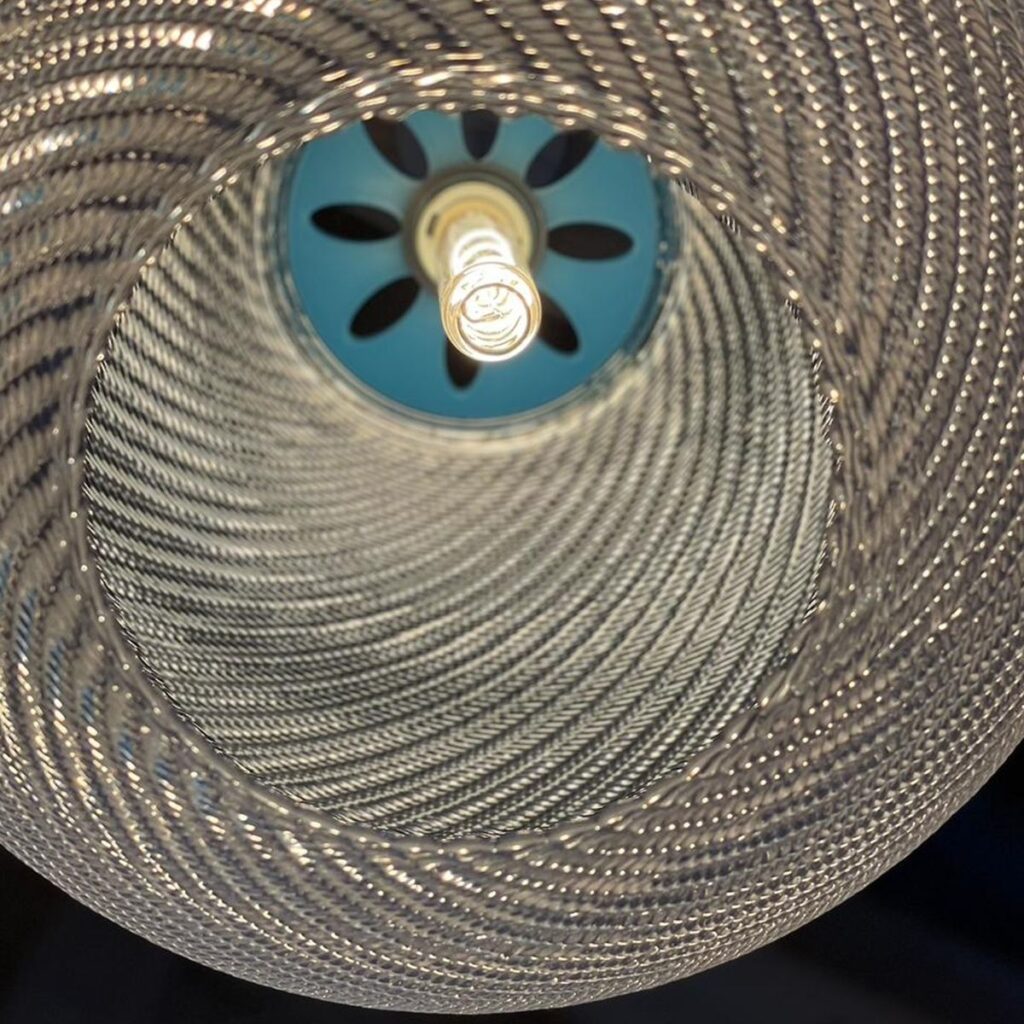
Imagine a design studio crafting custom table lamps using our G5Ultra Pellet 3D Printer and PETG recycled plastic. The result is not only visually striking—thanks to the textured, layered surface that catches light and shadow—but also tactically compelling.
When illuminated, the lamp casts a warm, ethereal glow, with intricate geometric or organic patterns that become an ambient artwork. The design becomes more than just a light fixture—it’s an emotional experience, a tactile conversation between structure and light.
Each lamp can be tailored for specific moods, environments, or brand identities—something traditional manufacturing can’t deliver at the same cost or speed.
A powerful desktop solution for designers and small manufacturers looking to create custom lighting components with industrial-grade precision.
Specifications:
Build Volume: 500×500×400mm
Nozzle Temperature: Up to 400℃
Hot Bed: Rapid heating up to 120℃
Screw Extruder: Compatible with a wide range of materials, including recycled and composite pellets
Why it’s ideal: Compact but powerful, the G5Ultra is perfect for creating table lamps, wall fixtures, and decorative lighting elements with fine detail and fast turnaround.
For those producing medium-to-large-scale lighting or furniture pieces, the G12 delivers unmatched capability and reliability.
Specifications:
Build Volume: 1200×1000×1000mm
Nozzle Temperature: Up to 450°C
Heated Bed: Up to 120°C
High Flow Screw Extrusion: Ideal for efficient printing of large or complex designs
Best suited for: Furniture-integrated lighting, architectural lighting features, or batch production of custom lamp collections.
Speed to Market: Rapid prototyping means quicker client approvals and faster iterations.
Cost Control: No need for expensive molds or tooling—just digital files and pellets.
Design Freedom: No limits to form or texture, enabling creative expression and functional innovation.
Sustainability: Every lamp printed is a step away from traditional waste-heavy methods, aligning your brand with growing eco-conscious consumer values.
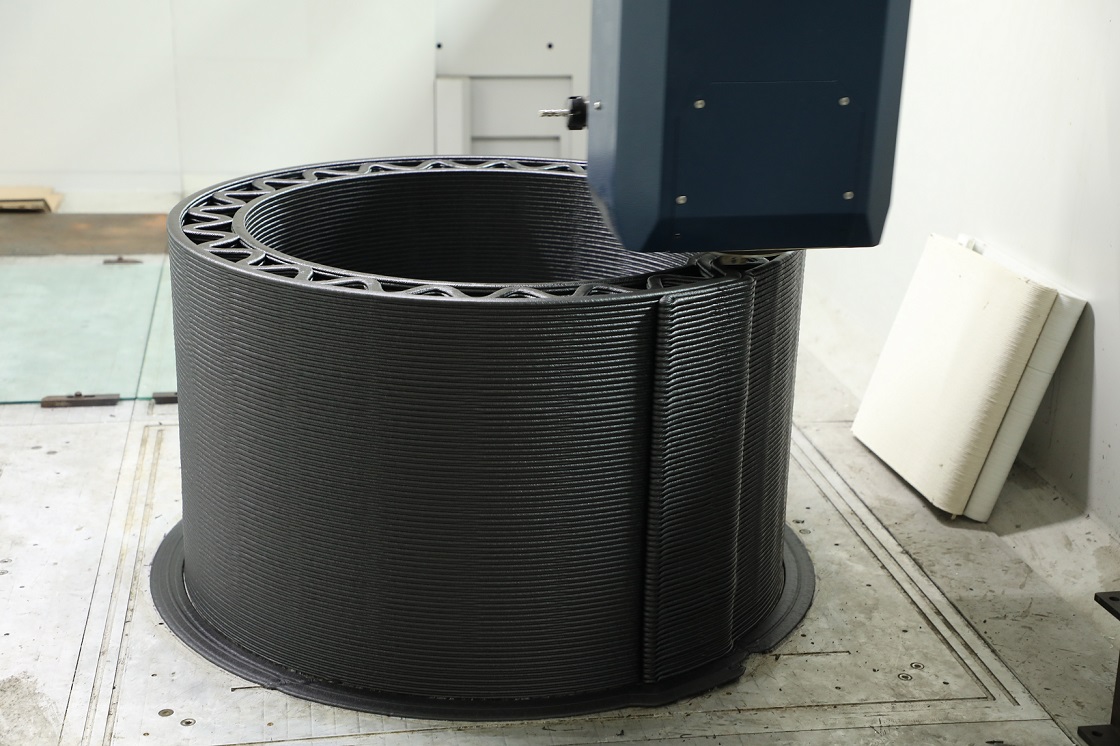
Carbon fiber 3D printing is revolutionizing industries by combining the versatility of additive manufacturing with the exceptional properties of carbon fiber composites. This innovative technology allows manufacturers to produce parts that are stronger, lighter, and more durable than traditional materials, all while reducing costs and production times.
In this blog post, we’ll dive into what carbon fiber 3D printing is, explore common carbon fiber composites, and discuss the benefits and applications of this cutting-edge technology. We’ll also highlight 3D printers designed specifically for carbon fiber printing and why pellet-based systems are leading the way.
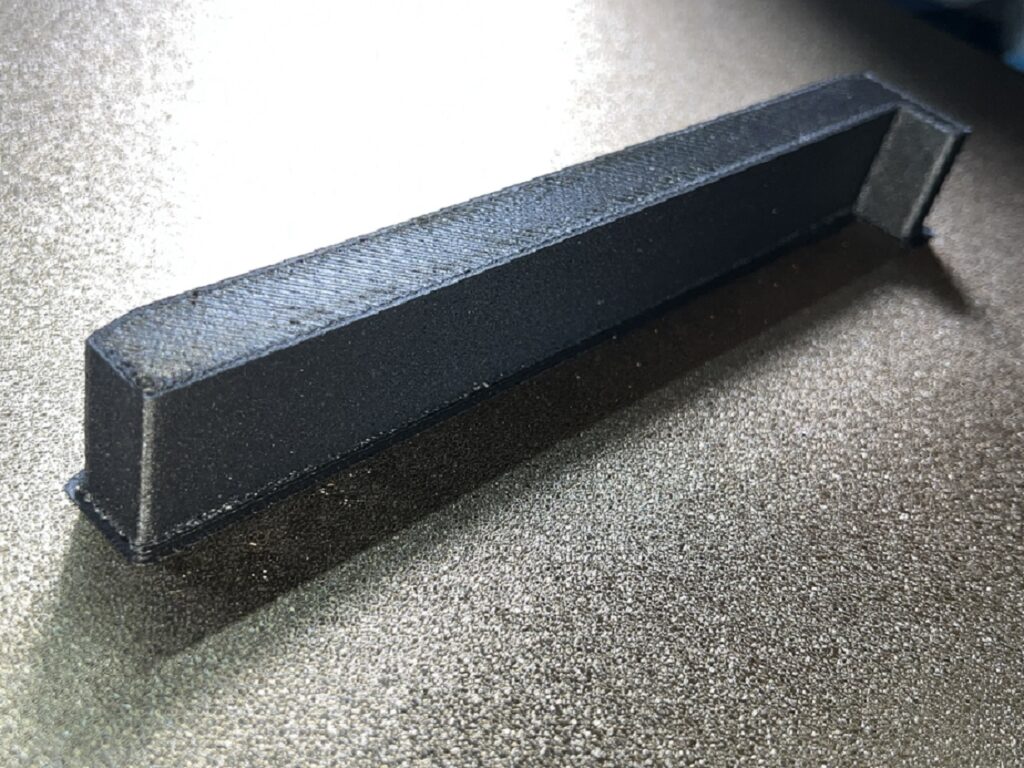
Carbon fiber 3D printing involves reinforcing traditional 3D printing materials with short or continuous carbon fibers. These fibers significantly enhance the strength, stiffness, and thermal resistance of the base material, making it suitable for demanding applications across various industries.
There are two main approaches to carbon fiber 3D printing:
The process is compatible with advanced 3D printers that can handle high-temperature materials and provide precise extrusion control.
Carbon fiber composites vary in their properties and applications based on the base material. Below are three of the most commonly used types:
ABS-CF (Acrylonitrile Butadiene Styrene with Carbon Fiber) combines ABS, a widely used thermoplastic, with carbon fiber for enhanced durability and performance.
Applications:
Key Features:
PC-CF (Polycarbonate with Carbon Fiber) pairs polycarbonate with carbon fiber for exceptional strength and impact resistance, making it ideal for demanding environments.
Applications:
Key Features:
PAHT-CF (High-Temperature Polyamide with Carbon Fiber) is a high-performance material that resists warping and maintains its structural integrity under extreme conditions.
Applications:
Key Features:
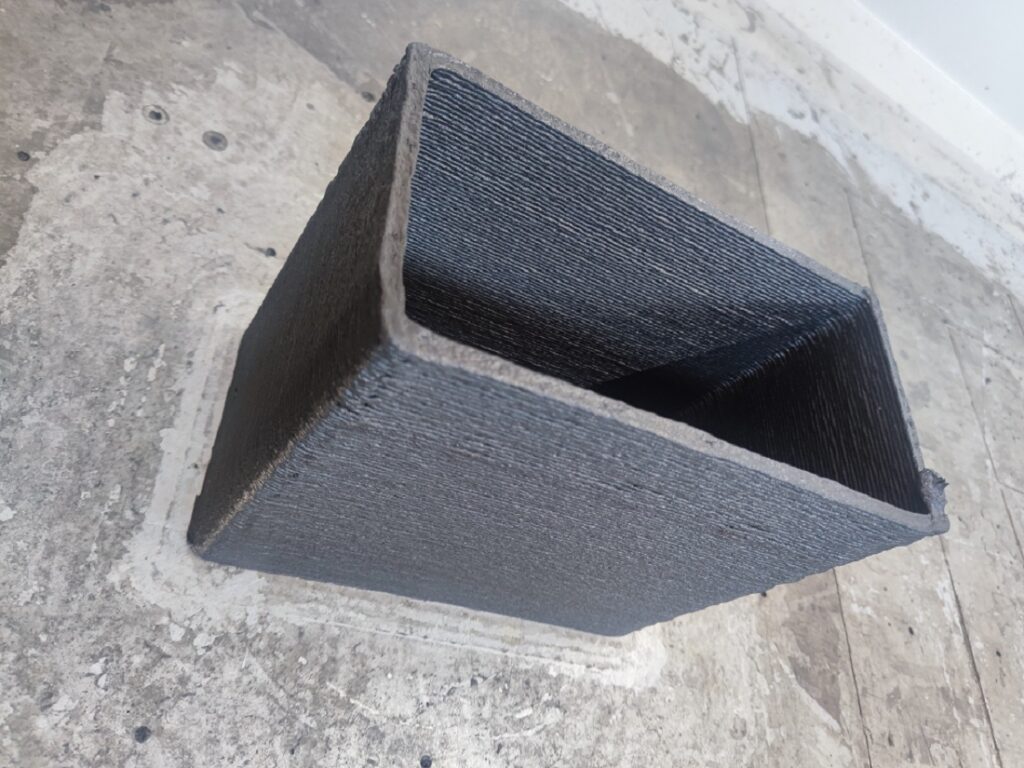
Carbon fiber composites offer a superior strength-to-weight ratio, making them perfect for industries like aerospace and automotive, where reducing weight without compromising strength is critical.
Parts printed with carbon fiber composites are highly durable, offering excellent resistance to wear, impact, and thermal stress.
From precision medical devices to large-scale industrial tooling, carbon fiber 3D printing caters to a wide range of industries and use cases.
3D printing minimizes waste compared to traditional subtractive manufacturing methods, and using pellets further reduces costs and environmental impact.
Lightweight yet strong components are essential in aerospace applications. Carbon fiber’s thermal resistance and durability make it ideal for parts like brackets, housings, and structural supports in planes and spacecraft.
Carbon fiber allows for the production of lighter vehicle components, improving fuel efficiency while maintaining safety and performance standards. Examples include dashboards, engine covers, and suspension components.
Custom jigs, fixtures, and molds can be printed quickly and affordably. Carbon fiber’s durability ensures these tools last longer and perform better than those made from traditional materials.
Carbon fiber’s biocompatibility and lightweight nature make it an excellent choice for prosthetics, orthopedic implants, and surgical instruments.
Not all 3D printers are equipped to handle the demands of carbon fiber composites. High-performance printers with specific features like high-temperature nozzles and robust extrusion systems are required.
The G12 is an industrial-scale 3D printer perfect for medium-to-large format parts.
Key Features:
The G40 is designed for oversized projects and multi-process manufacturing.
Key Features:
Pellet-based systems like the G12 and G40 offer significant advantages over filament-based systems for carbon fiber 3D printing:
Cost Efficiency
Pellets are more affordable than filaments, especially for large-scale projects. This makes pellet-based printing an economical choice for industrial applications.
Scalability
Pellet systems handle larger build volumes, allowing for the creation of large parts like furniture, automotive panels, or structural components.
Material Versatility
Pellet-based printers can work with a wider range of composites, including carbon fiber-reinforced ABS, PC, and PAHT, providing flexibility for various industries.
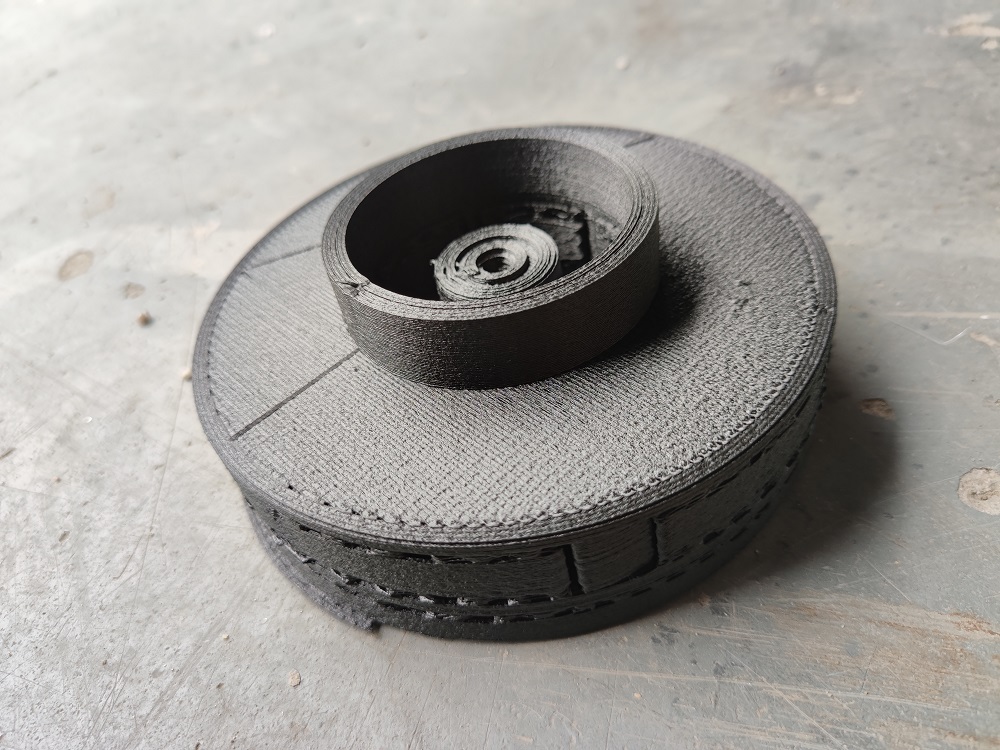
In today’s fast-paced world, bringing ideas to life quickly and efficiently is crucial. Rapid prototyping with 3D printing has revolutionized the way products are designed and developed, providing an agile and cost-effective solution for industries ranging from automotive to consumer goods. This technology empowers designers and engineers to transform digital concepts into physical models in a matter of hours, accelerating the innovation process and reducing the time to market.
In this blog post, we’ll explore the basics of rapid prototyping, how 3D printing is used in the process, examples of rapid prototypes, types of prototyping, and the key advantages that make this technology indispensable.
Rapid prototyping refers to the process of quickly creating a physical model or prototype of a design idea to test its form, fit, function, and usability. Traditionally, prototyping involved complex machining or molding techniques that were time-consuming and costly.
With the advent of 3D printing, also known as additive manufacturing, rapid prototyping has become more accessible and versatile. 3D printing builds objects layer by layer from a digital model, allowing for highly accurate and detailed prototypes to be created in a fraction of the time required by traditional methods.
The key features of rapid prototyping with 3D printing include:
3D printing plays a pivotal role in rapid prototyping by enabling designers and engineers to:
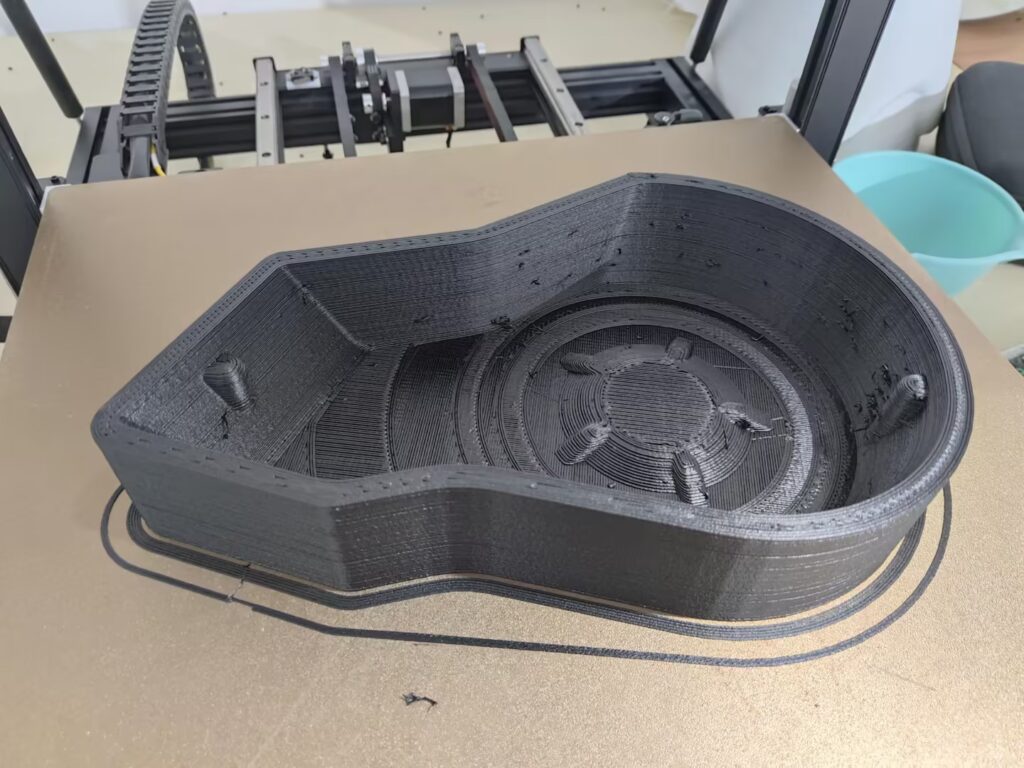
One practical example of a rapid prototype is the creation of a custom ergonomic mouse for computer users.
This iterative process allows manufacturers to perfect their products before committing to large-scale production, minimizing costly errors and ensuring customer satisfaction.
There are three primary types of rapid prototyping, each serving different purposes depending on the stage of development:
These prototypes are used to assess the aesthetics and dimensions of a product. While they may not be functional, they help visualize the final product’s appearance. For instance, a designer might create a visual prototype of a smartphone casing to evaluate its shape and color options.
Functional prototypes are designed to mimic the mechanical properties of the final product. These are essential for testing usability, durability, and performance. For example, engineers might prototype a drone’s propeller to ensure it can withstand operational stresses.
These early-stage prototypes focus on demonstrating the basic idea or concept behind a product. Concept prototypes are often used to pitch ideas to stakeholders or test general feasibility. For instance, a simple 3D-printed model of a foldable chair could demonstrate the concept without incorporating all mechanical features.
Rapid prototyping with 3D printing offers numerous benefits that make it a game-changer in product development:
Prototypes can be created within hours, enabling faster iteration cycles. This reduces the overall time required to bring a product to market, giving companies a competitive edge.
Traditional methods like CNC machining or injection molding require expensive tooling, which is not economical for low-volume production. 3D printing eliminates the need for molds, significantly lowering costs.
3D printing allows for complex geometries and intricate designs that are difficult or impossible to achieve with traditional methods. This opens up new possibilities for innovation.
Prototypes enable designers to identify and resolve design flaws early in the development process, reducing the risk of costly errors during production.
Physical prototypes enhance communication among teams, stakeholders, and clients, making it easier to gather feedback and align on the final design.
3D printing uses only the material needed for the part, reducing waste compared to subtractive manufacturing methods. Additionally, some 3D printers can use recycled materials, further enhancing sustainability.
As 3D printing technology continues to evolve, the future of rapid prototyping looks promising:
Rapid prototyping with 3D printing has become an indispensable tool for innovators, enabling them to visualize, test, and refine ideas with unprecedented speed and precision. Whether you’re a designer creating the next big consumer gadget or an engineer solving complex mechanical challenges, 3D printing empowers you to bring your concepts to life efficiently and effectively.
By leveraging the advantages of rapid prototyping, businesses can stay ahead of the competition, minimize risks, and deliver products that resonate with customers. The future of innovation is here, and it’s being built layer by layer with 3D printing.
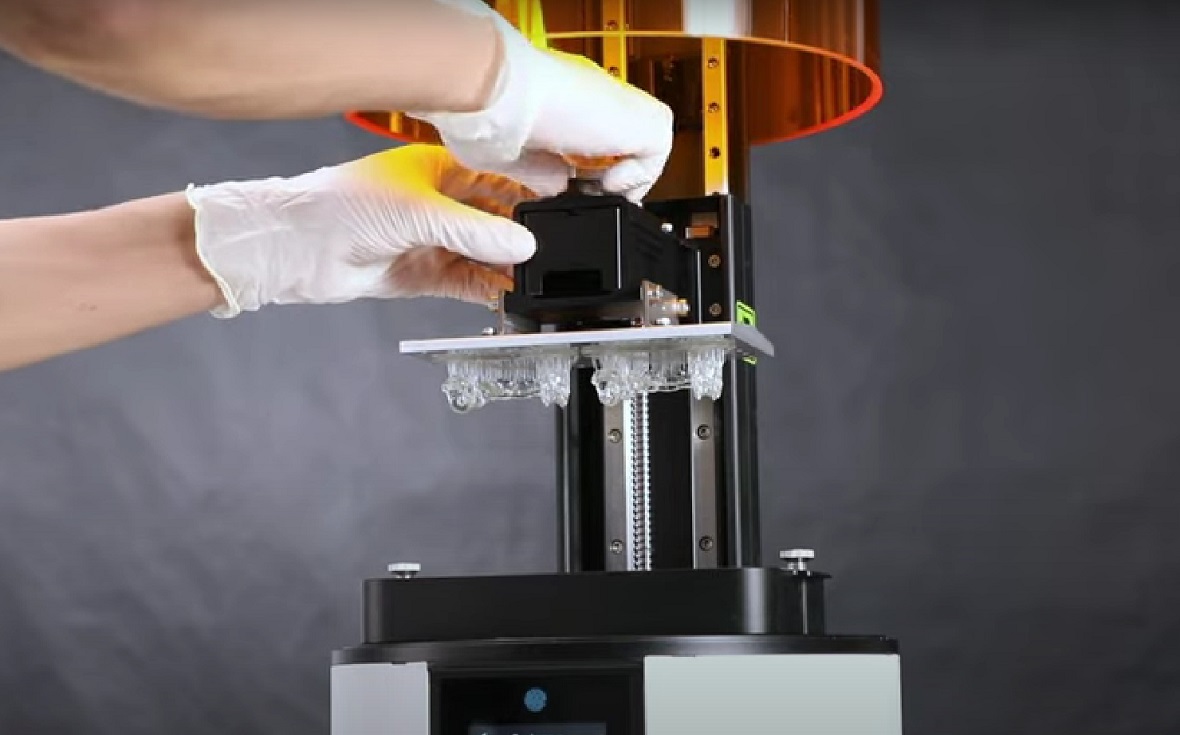
Digital Light Processing (DLP) is a 3D printing technology known for its speed, precision, and high-quality finishes. Originally developed as a digital projection method, DLP has become a popular choice for industries that require complex and intricate 3D-printed parts, such as jewelry, dentistry, and audiology. In this blog post, we’ll take a closer look at how DLP works, the materials it uses, its advantages over other 3D printing methods, and some common applications.
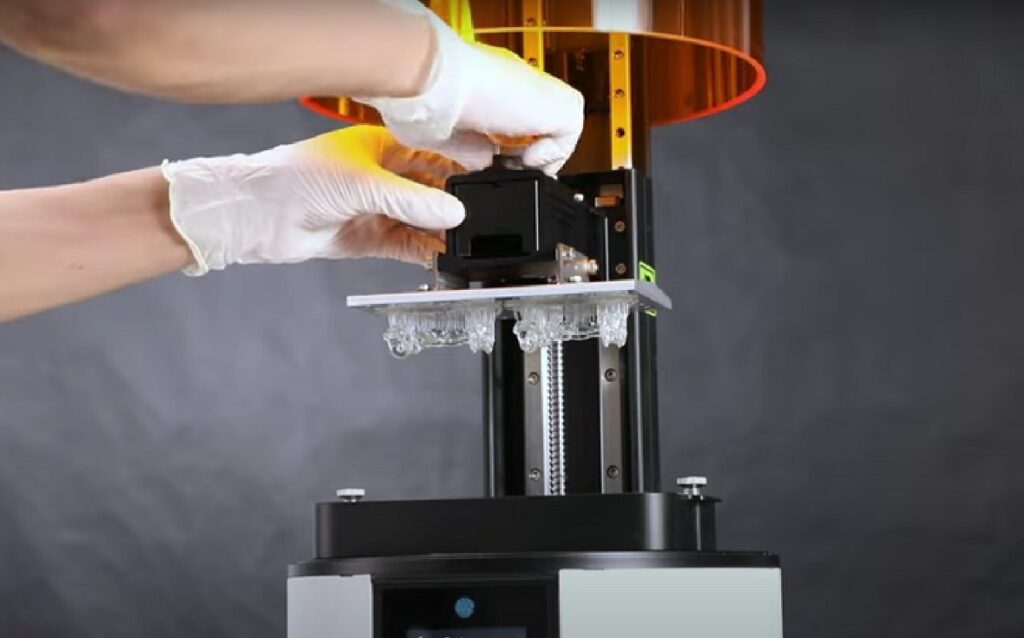
Digital Light Processing (DLP) is an additive manufacturing process that uses a digital projector to flash layers of UV or visible light onto a liquid photopolymer resin, curing it into a solid shape layer by layer. Unlike Stereolithography (SLA), which uses a laser to trace and cure each layer, DLP uses a projected light source that cures an entire layer simultaneously, significantly reducing production time.
In DLP, the digital projector produces images of each layer based on the 3D model, projecting these images onto the photopolymer resin. When exposed to the projected light, the photosensitive resin hardens, forming the solid structure. By repeating this process layer by layer, a DLP printer can produce intricate and high-quality 3D objects with exceptional accuracy.
DLP technology relies on a UV or visible light projector to cure photosensitive resin into 3D shapes. Here’s how the process works step-by-step:
The ability to cure an entire layer at once distinguishes DLP from SLA printing, where each layer is drawn and cured point by point. This simultaneous curing gives DLP a speed advantage, particularly for complex models.
DLP 3D printing primarily uses photopolymer resins, which are liquid materials that solidify when exposed to UV light. There are several types of resins and materials that can be used in DLP printing:
UV-Curable Resins: These are the most common resins used in DLP, designed to react to UV light. They come in various colors, transparencies, and material properties, from rigid to flexible options.
Thermoplastic Resins: Some specialized DLP printers can use thermoplastic resins, which offer additional durability and strength, making them suitable for engineering applications.
Metal-Infused Resins: Certain DLP printers support resins infused with metal particles, creating parts that resemble metal and are commonly used in industries like jewelry and engineering.
Medical-Grade Resins: These resins are specially formulated to meet the safety and performance requirements for healthcare and dental applications, ensuring biocompatibility.
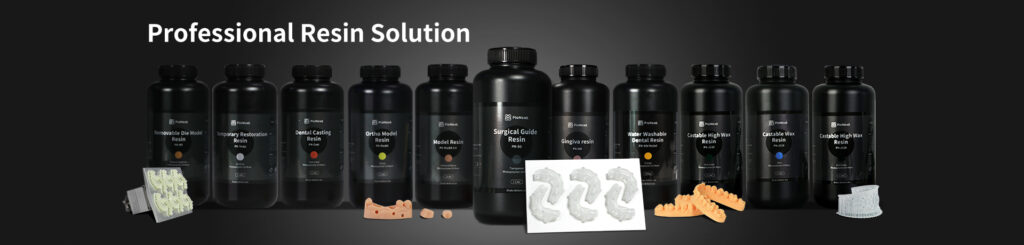
The choice of resin depends on the specific application requirements, such as the need for strength, flexibility, transparency, or biocompatibility.
DLP 3D printing offers several advantages that make it ideal for industries requiring high precision, speed, and quality. Here are some key benefits of DLP:
DLP printers are known for their ability to create smooth, detailed surfaces. The high resolution and accuracy of DLP printing are ideal for applications like jewelry, dentistry, and other fields where aesthetics and intricate details are essential.
Since DLP technology cures an entire layer at once, it is generally faster than SLA, which traces each layer point by point. This makes DLP an excellent choice for producing multiple small, intricate parts or large models in a shorter time frame.
DLP offers cost savings over some traditional methods, especially for low-volume, high-complexity parts. The quality of DLP-printed components is often comparable to that of conventional manufacturing methods like injection molding, making it a valuable tool for prototyping and small-batch production.
DLP printing offers precise control over each layer, producing parts with exceptional detail and accuracy. This level of control makes it possible to create complex shapes with intricate patterns, ideal for industries like jewelry, audiology, and dental restoration.
While both DLP and SLA are photopolymer-based technologies, they differ in several key ways:
Light Source: SLA uses a laser to trace each layer, while DLP uses a projector to cure an entire layer at once. This difference in light source affects both speed and cost.
Production Speed: DLP is generally faster than SLA since it cures an entire layer simultaneously, making it more suitable for larger batches or parts with intricate details.
Resolution and Detail: While both technologies offer high-resolution prints, DLP tends to have a slight edge in speed without sacrificing detail, especially for small and complex designs.
Cost-Effectiveness: DLP’s rapid layer-by-layer curing process often makes it more cost-effective for intricate parts, especially for high-detail and small-scale production.
These differences allow users to choose the technology that best fits their needs, depending on the required level of detail, speed, and budget.
DLP’s high precision and speed make it versatile for a variety of industries, each benefiting from its unique capabilities.
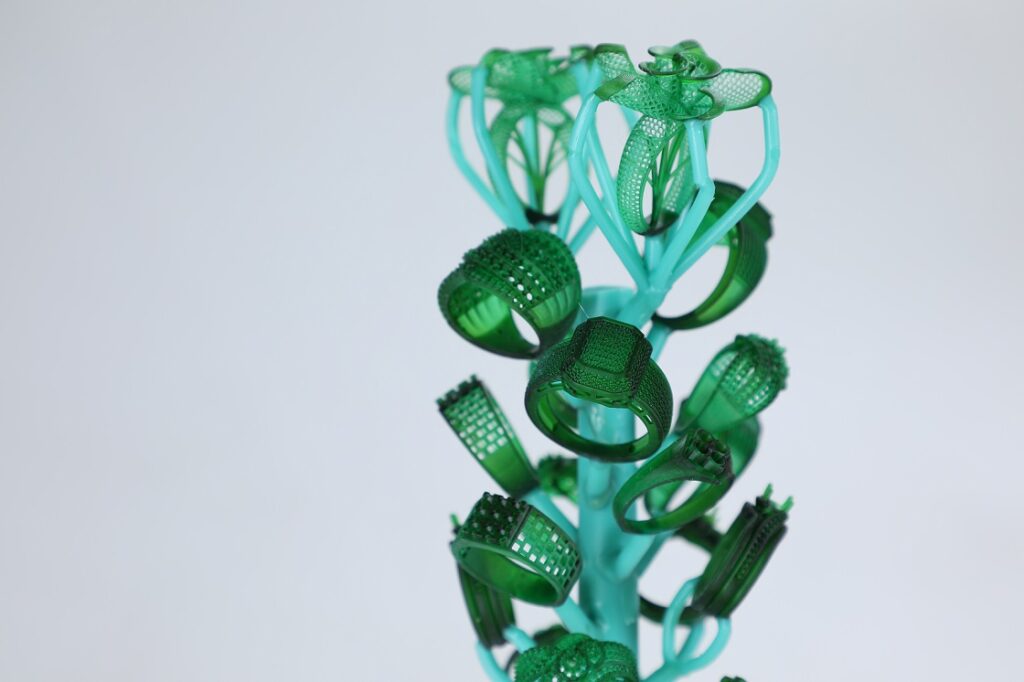
DLP printing is widely used in the jewelry industry to create highly detailed patterns and molds for casting. With DLP, jewelers can produce intricate designs with the smooth surface finish and sharp details required for high-quality jewelry, from rings to pendants.
DLP is commonly used in dentistry for creating crowns, bridges, and surgical guides. Its precision ensures that dental models and prosthetics fit accurately, reducing adjustments and improving patient outcomes. Medical-grade resins make DLP a safe option for healthcare applications.
DLP printing is valuable for creating engineering prototypes and small-batch parts that require high strength and durability. Its accuracy makes it ideal for functional testing, allowing engineers to validate designs before mass production.
In audiology, DLP printing is used to create custom hearing aids, earmolds, and other audio devices tailored to individual needs. The precision and speed of DLP allow for high-quality parts that meet the comfort and fit requirements of audiology products.
Piocreat offers a range of high-quality DLP 3D printers tailored to industries that require speed and precision. Here are two standout models:
The D158 is a compact DLP 3D printer designed for dental labs, orthodontics, and professional applications requiring high detail. Built with Texas Instruments technology, the D158 provides precision, reliability, and ease of use.
The D150 is Piocreat’s fastest DLP 3D printer, ideal for high-volume production. With adjustable light intensity and a high-speed release film, the D150 offers unmatched productivity without sacrificing quality.
These Piocreat printers offer professionals in jewelry, dentistry, and other fields the tools they need to produce accurate, high-quality parts efficiently.
Digital Light Processing (DLP) 3D printing is transforming industries by providing a fast, precise, and cost-effective solution for producing complex parts. With applications ranging from jewelry and dentistry to engineering, DLP offers unique advantages in speed, surface quality, and detail accuracy. Piocreat’s DLP printers, like the D158 and D150, are designed to meet the needs of professionals in various industries, offering high productivity and precision.
As 3D printing technology continues to advance, DLP remains a vital tool for those who need high-quality prints and rapid turnaround times. Whether you’re a jeweler creating intricate designs or a dental lab crafting custom-fit models, DLP offers a versatile, reliable solution for your 3D printing needs.
Copyright © 2025 PioCreat 3D Technology Co., Ltd. All Rights Reserved.