< img height="1" width="1" style="display:none" src="https://www.facebook.com/tr?id=1568787653269583&ev=PageView&noscript=1" />

What is the Difference Between DLP and LCD Resin 3D Printers?

Resin 3D printing has revolutionized industries from dentistry to jewelry-making, with two of the most popular methods being DLP (Digital Light Processing) and LCD (Liquid Crystal Display) 3D printing. Both techniques produce high-quality, detailed prints using light to cure resin, but they differ in how they project light, the speed of curing, and overall print quality. In this blog, we’ll explore the differences between DLP and LCD resin 3D printers, helping you understand which might be the best choice for your 3D printing needs.

What is DLP 3D Printing?

DLP (Digital Light Processing) 3D printing is a technology that uses a digital projector to flash an image of an entire layer onto a vat of liquid resin. The projector shines light through a digital screen, which selectively cures specific areas of the resin, hardening it layer by layer until the object is fully printed.

In DLP printing, the light source, often a powerful LED or UV projector, shines through a digital micromirror device (DMD) that reflects light into a pattern of pixels. This pattern hardens the resin in one entire layer at a time, allowing for faster printing compared to other methods like stereolithography (SLA), which cures resin point by point.

What is LCD 3D Printing?

LCD (Liquid Crystal Display) 3D printing, also known as MSLA (Masked Stereolithography), is a type of resin printing that uses an LCD screen to mask a light source and project it onto the resin. In this process, an array of LEDs shines light through an LCD panel, which selectively blocks or lets the light pass through, curing the resin in the exposed areas.

LCD printers often use a matrix of UV LEDs to ensure even light distribution across the build plate. The LCD panel acts as a mask, revealing the image of each layer that needs to be cured. While LCD 3D printers operate similarly to DLP printers, the primary difference lies in the way the light is projected and how the curing process is managed.

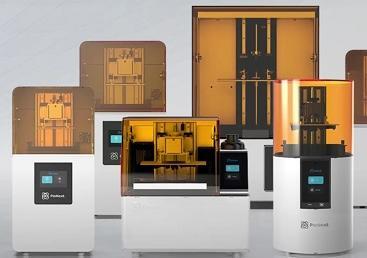
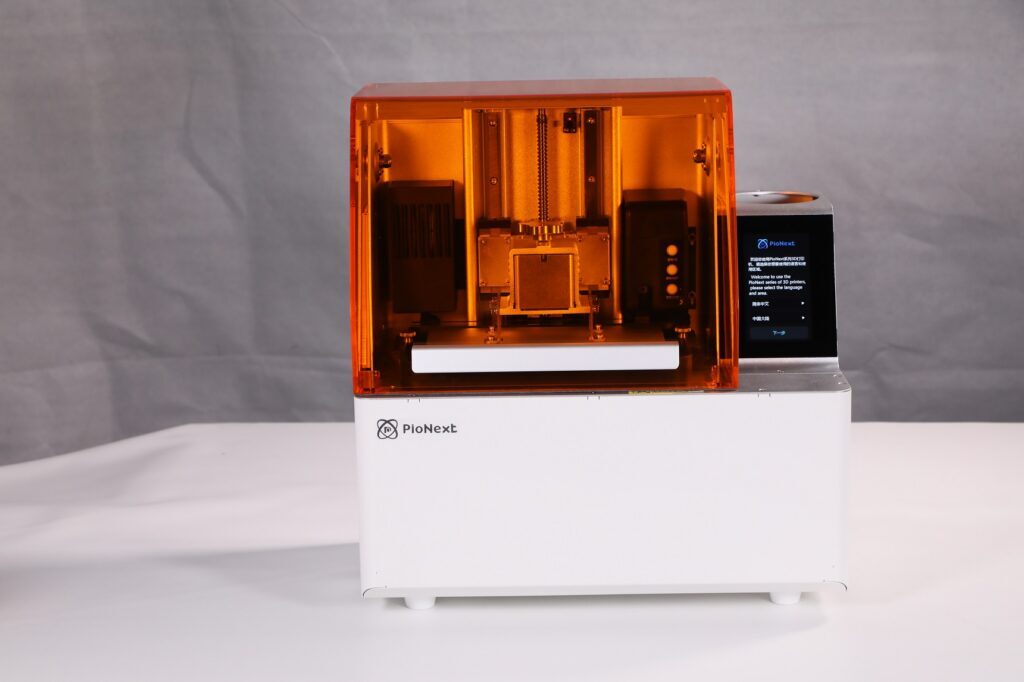
LCD 3D Printer

DLP vs LCD Resin 3D Printer: 6 Key Differences

Now that we understand the basics of DLP and LCD resin 3D printing, let’s dive into the six key differences that set these technologies apart.

1. Light Projection

DLP:
In DLP printing, the light source projects through a digital micromirror device, reflecting light across the entire layer at once. The projector emits light in the form of pixels, and the resolution is determined by the projector’s pixel size. DLP printers project light in an even and consistent manner, ensuring that each layer is cured with great precision.

LCD:
LCD 3D printers use a matrix of UV LEDs as the light source. The light passes through an LCD screen, which masks certain areas to create the desired shape for each layer. While the overall mechanism is similar to DLP, the light is dispersed through individual pixels on the LCD screen, which can sometimes lead to inconsistencies in light distribution if not properly calibrated.

Key Difference:
DLP projects light in a more uniform manner, while LCD printers rely on individual pixels, which can sometimes create variances in how the light is projected

2. Curing Process

DLP:
DLP printers use a high-intensity projector to cure entire layers of resin simultaneously, making the curing process faster. Since the entire layer is flashed at once, this reduces the time needed to complete each layer, especially when printing large objects.

LCD:
In LCD 3D printing, the UV light shines through the liquid crystal display, which blocks certain areas to control the curing process. This method also cures an entire layer at once, but the curing can sometimes take longer compared to DLP due to lower light intensity and the nature of the LCD screen.

Key Difference:
While both technologies cure entire layers simultaneously, DLP tends to have faster curing times due to its more focused and intense light projection.

3. Resolution

DLP:
The resolution of a DLP printer is determined by the pixel size of the projector. DLP printers generally have a fixed pixel size, which means that the smaller the build area, the higher the resolution. As the build area increases, the pixels are stretched, which can lead to a reduction in resolution.

LCD:
LCD printers achieve resolution based on the number of pixels on the LCD screen. Higher pixel density means better resolution. Since the LCD screens have fixed pixel sizes, the resolution remains consistent across the entire build area, making LCD printers more reliable for producing high-resolution prints, especially for smaller objects.

Key Difference:
DLP resolution can vary based on the build area, while LCD printers typically maintain consistent resolution regardless of the build size.

4. Print Quality

DLP:
DLP 3D printers are known for their ability to produce extremely detailed prints with smooth surfaces. However, the resolution tends to decrease with larger build areas, meaning small objects have better quality than large objects.

LCD:
LCD printers also produce high-quality prints, especially with newer models that have high pixel densities. However, since the LCD method relies on the backlighting of individual pixels, there can be slight pixelation visible on curved surfaces if the resolution is not high enough.

Key Difference:
Both DLP and LCD printers offer excellent print quality, but DLP printers are often better suited for fine, small-scale details, whereas LCD printers provide more consistent quality over larger areas.

5. Speed and Throughput

DLP 3D Printing

DLP:
DLP printers can be faster because they cure entire layers at once, and the light intensity from the projector is typically higher than that of an LCD printer. This makes DLP printers ideal for high-speed production environments where fast throughput is essential.

LCD:
LCD printers also cure entire layers simultaneously, but they may take slightly longer to cure each layer due to the lower light intensity compared to DLP. However, advancements in LCD technology have significantly improved speed, and high-end LCD printers can rival DLP in terms of throughput.

Key Difference:
DLP printers are generally faster, particularly for large prints, but modern LCD printers have improved to a point where speed differences are minimal.

6. Cost

DLP:
DLP 3D printers are generally more expensive due to the use of high-quality projectors and more complex optical systems. Maintenance and replacement parts, such as the DMD chips, can also add to the overall cost of operating a DLP printer.

LCD:
LCD 3D printers are typically more affordable, both in terms of initial investment and maintenance. The technology is simpler, and LCD screens are cheaper to replace than DLP projectors. This makes LCD printers an attractive option for hobbyists, small businesses, and budget-conscious users.

Key Difference:
DLP printers are more expensive, offering high performance at a higher cost, while LCD printers provide a more budget-friendly option with slightly lower performance.

Conclusion

When comparing DLP and LCD resin 3D printers, both technologies offer excellent options for producing high-quality, detailed prints. DLP printers are known for their speed, uniform light projection, and ability to handle fine details, making them ideal for professional applications requiring fast throughput and high precision. On the other hand, LCD printers offer a more cost-effective solution with consistent resolution across the build area, making them a great choice for those looking to balance quality and affordability.

Ultimately, the decision between DLP and LCD 3D printers will depend on your specific needs, whether it’s the need for speed, precision, or cost-efficiency. Both technologies continue to evolve, with improvements in light projection, resolution, and cost, ensuring that users in various industries can find a 3D printing solution that meets their requirements.

3D Printer for Dental Laboratory: Working Principle, Types, Applications

Table of Contents

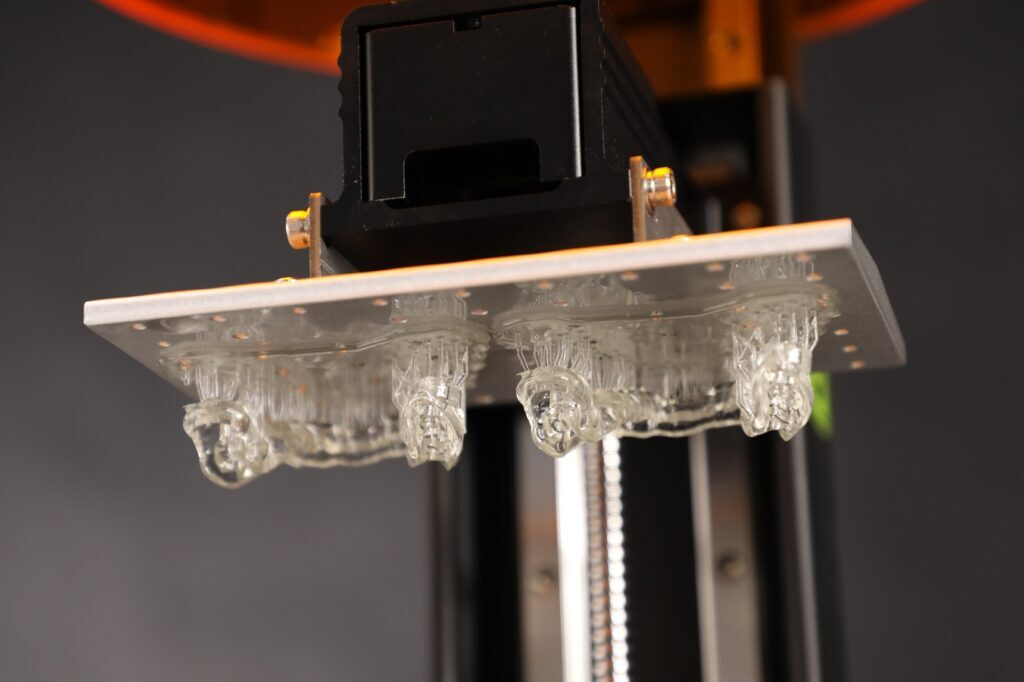
The advent of 3D printing has revolutionized various industries, and dentistry is no exception. In dental laboratories, 3D printers have become indispensable tools for producing highly accurate and customized dental appliances. This blog will explore how dental 3D printers work, their scope in dentistry, the types of 3D printing used, the materials involved, the benefits of 3D printing for dentists, and how to choose the right dental 3D printer for your practice.

How Do Dental 3D Printers Work?

Dental 3D printers operate by transforming digital designs into physical models, prosthetics, or surgical guides. The process begins with a digital scan of the patient’s mouth, typically obtained using an intraoral scanner. This scan produces a detailed 3D model of the teeth and surrounding structures, which is then used to design the desired dental appliance or model.

Once the design is finalized using specialized software, the data is sent to the 3D printer. The printer constructs the object layer by layer, using materials such as light-cured resin. The process involves curing each layer of material with a light source, typically a laser or LED, which solidifies the resin. This additive manufacturing process ensures that each layer is precisely placed, resulting in a highly accurate and detailed final product.

The technology allows for the creation of complex geometries that would be difficult or impossible to achieve with traditional manufacturing methods. This capability is particularly valuable in dentistry, where precision and customization are paramount.

What is the Scope of 3D Printing in Dentistry?

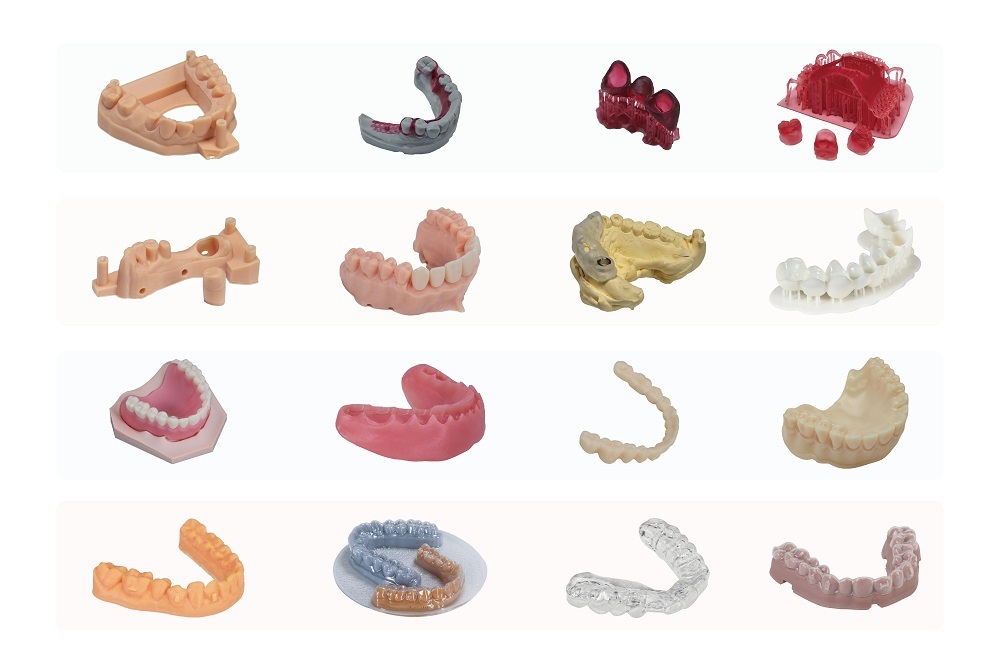
The scope of 3D printing in dentistry is vast, with applications ranging from simple models to complex surgical guides. Here are some of the key areas where 3D printing is making a significant impact:

Material Used in Dental 3D Printing

Implants

3D printing plays a crucial role in the fabrication of dental implants. By creating precise models of a patient’s jawbone, dentists can design implants that fit perfectly. This precision reduces the risk of complications and ensures better integration with the patient’s anatomy.

Crowns and Bridges

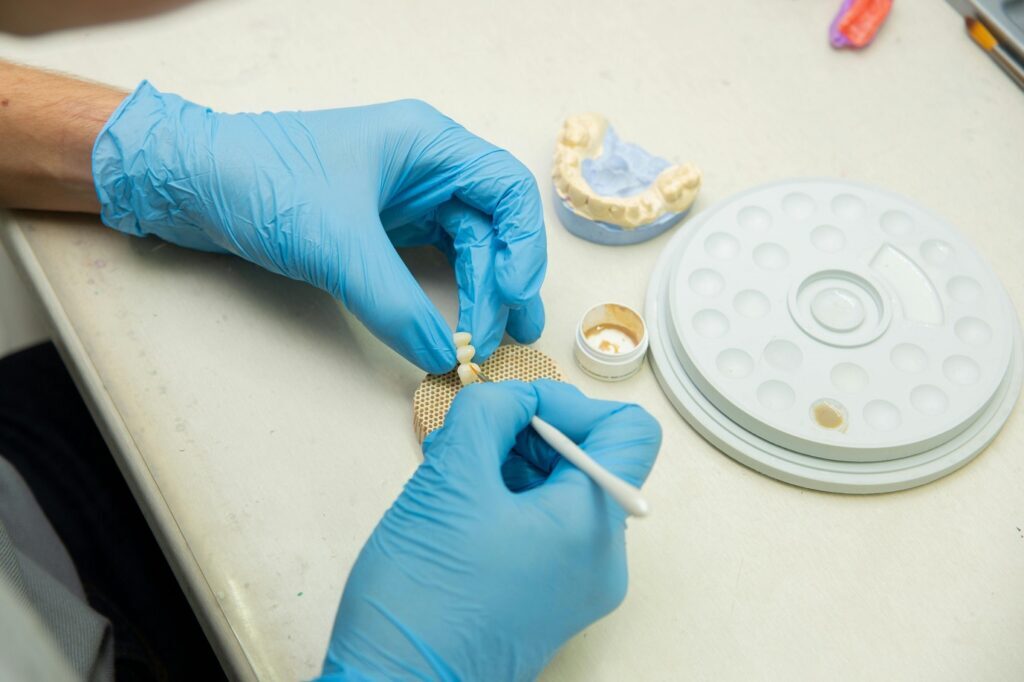
Crowns and bridges are among the most common dental restorations. 3D printing allows for the rapid production of these restorations with exceptional accuracy, ensuring a perfect fit and natural appearance. The speed of 3D printing also reduces the turnaround time for patients, allowing for quicker restorations.

Surgical Guides

Surgical guides are essential for ensuring the accurate placement of dental implants. 3D printing enables the production of custom guides that match the patient’s anatomy precisely. These guides improve the accuracy of surgical procedures, leading to better outcomes and faster recovery times for patients.

Anatomical Replicas and Models

Dental 3D printing is widely used to create anatomical replicas and models for diagnostic purposes, treatment planning, and patient education. These models help dentists and patients visualize the treatment process, leading to better communication and understanding.

Aligners and Retainers

Clear aligners and retainers are becoming increasingly popular for orthodontic treatment. 3D printing allows for the production of custom aligners that are tailored to each patient’s unique dental structure. This customization ensures more effective treatment and a more comfortable fit.

Casting Models

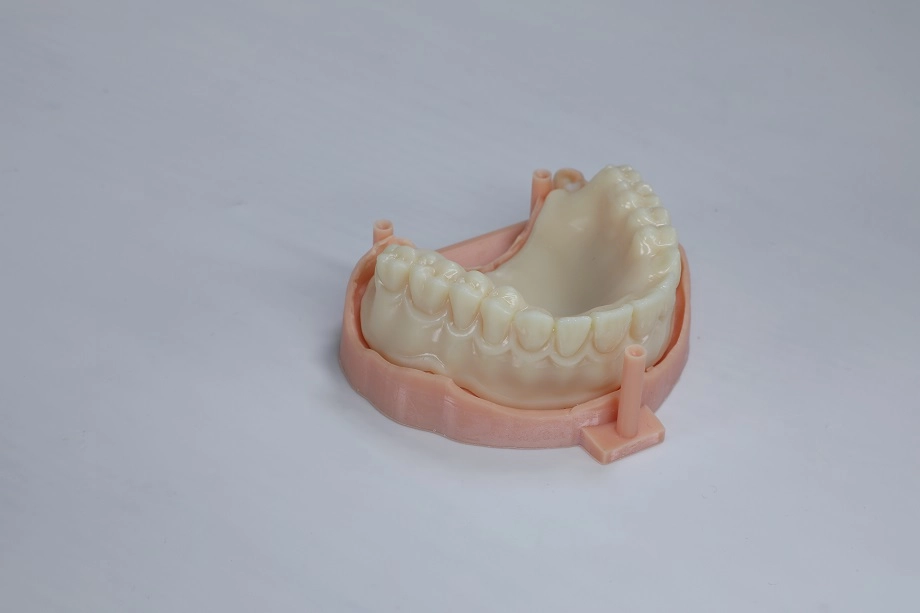
In restorative dentistry, casting models are used to create molds for dental appliances such as crowns, bridges, and dentures. 3D printing produces highly accurate casting models, ensuring that the final appliances fit perfectly and function properly.

Dentures

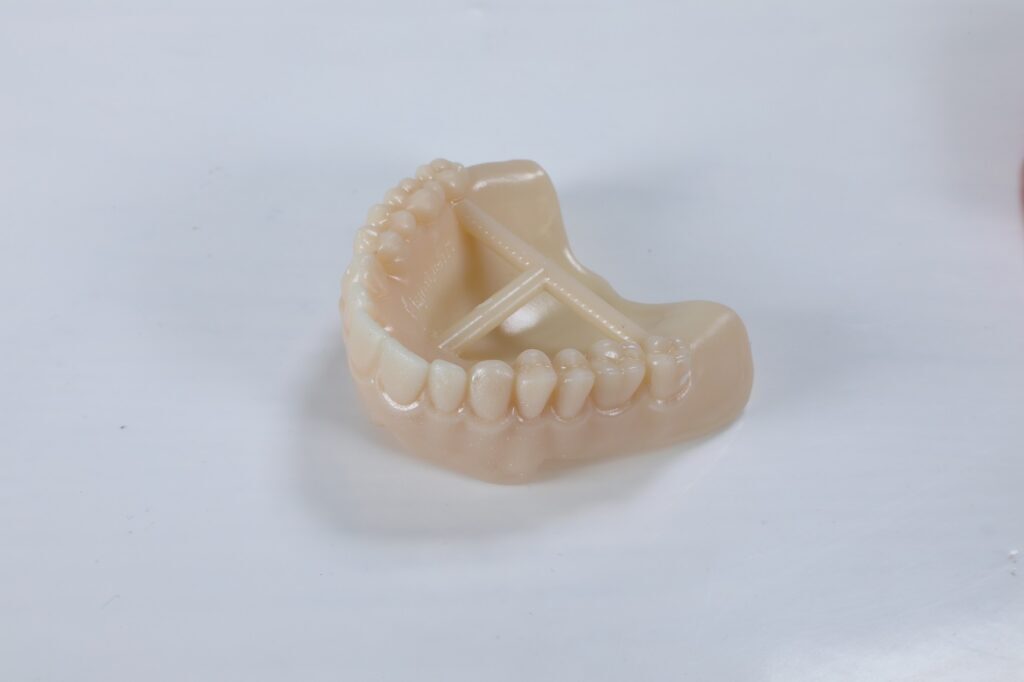
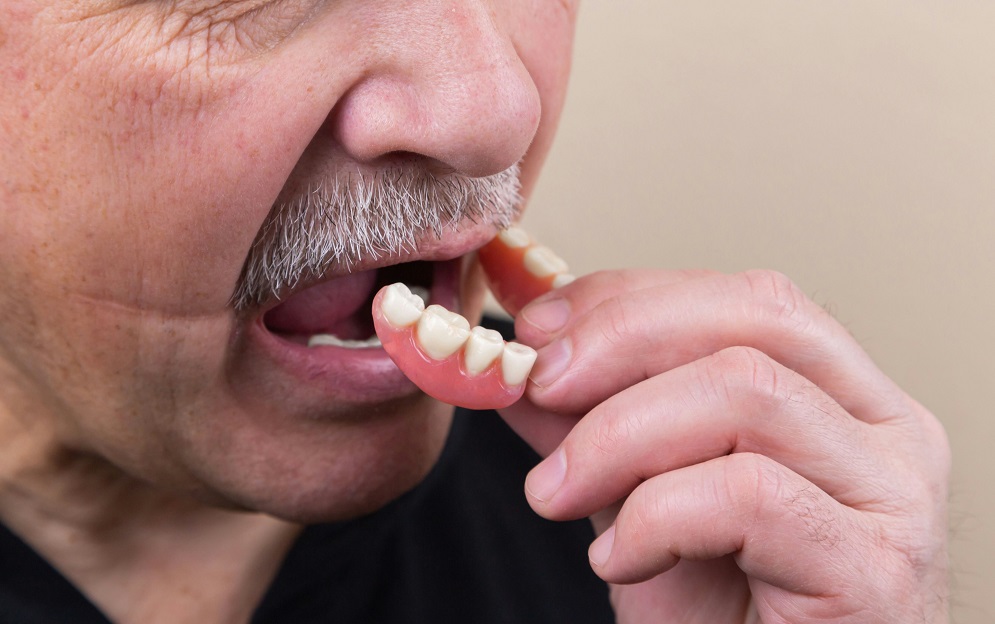
3D printing is also used in the production of dentures. The technology allows for the creation of custom denture bases and teeth that match the patient’s anatomy. This results in more comfortable and aesthetically pleasing dentures.

What Type of 3D Printing is Used in Dental Laboratories?

Several types of 3D printing technologies are used in dental laboratories, each with its advantages and applications:

Traditional (Laser-Based) Stereolithography (SLA)

SLA is one of the oldest and most widely used 3D printing technologies in dental laboratories. It uses a laser to cure liquid resin into solid plastic, layer by layer. SLA is known for its high resolution and accuracy, making it ideal for producing detailed dental models and appliances.

Digital Light Processing (DLP)

DLP is similar to SLA but uses a digital projector screen to flash a single image of each layer across the entire platform, curing the resin all at once. DLP is faster than SLA and can produce highly detailed parts. This speed makes DLP a popular choice for high-volume production in dental laboratories.

Masked Stereolithography (mSLA)

mSLA is a variation of SLA that uses an LCD screen to mask the light source, curing resin in a similar manner to DLP. mSLA offers a balance between speed and resolution, making it suitable for producing dental appliances with fine details and smooth surfaces. It is particularly favored for its efficiency and cost-effectiveness in dental applications.

What Material is Used in Dental 3D Printing?

The most commonly used material in dental 3D printing is light-cured resin. This resin is specially formulated to meet the needs of dental applications, offering properties such as biocompatibility, high strength, and durability. The resin is cured using light sources like lasers or LEDs, resulting in a solid and stable material that can be used for various dental devices.

Light-cured resins come in different formulations, each designed for specific dental applications. For example, some resins are optimized for creating surgical guides, while others are formulated for producing dentures or crowns. The versatility of light-cured resin makes it an ideal material for a wide range of dental 3D printing applications.

What Are the Benefits of 3D Printing for Dentists?

The adoption of 3D printing in dental laboratories offers numerous benefits for dentists, including:

Improved Patient Care and Outcomes

3D printing allows for the creation of highly accurate and customized dental appliances, leading to better fitting devices and improved patient outcomes. The precision of 3D printing ensures that dental restorations are more comfortable and functional, enhancing overall patient satisfaction.

Improved Efficiency and Productivity

3D printing streamlines the production process in dental laboratories, reducing the time required to produce dental appliances. This efficiency allows dental practices to serve more patients in less time, improving productivity and profitability.

Benefits of 3D Printing for Dentists

Better Training for Dentists and Dental Hygienists

3D printed anatomical models provide valuable training tools for dental professionals. These models allow dentists and dental hygienists to practice procedures and improve their skills in a controlled environment, leading to better clinical performance.

Improved Collaboration with Dentists and Suppliers

3D printing enables better collaboration between dental laboratories, dentists, and suppliers. Digital designs can be easily shared and modified, ensuring that all stakeholders are aligned on the final product. This collaboration leads to more efficient workflows and higher-quality outcomes.

How to Choose Dental 3D Printers

Selecting the right dental 3D printer is crucial for ensuring the success of your dental laboratory. Here are some key factors to consider:

Speed and Throughput

The speed of the 3D printer is an important consideration, especially if your laboratory handles a high volume of cases. Faster printers can produce more appliances in less time, improving efficiency and allowing you to meet tight deadlines.

Accuracy and Precision

The accuracy and precision of the printer are critical for producing dental appliances that fit perfectly. Look for printers that offer high resolution and minimal deviation from the digital design.

Ease of Use and Maintenance

A user-friendly 3D printer with straightforward maintenance requirements will save you time and reduce the likelihood of errors. Consider printers with intuitive interfaces and automated features that simplify the printing process.

Cost and Return on Investment

The cost of the printer and the associated materials should be weighed against the potential return on investment. While higher-end printers may have a steeper upfront cost, they often offer better performance and durability, leading to long-term savings.

Materials and Applications

Ensure that the 3D printer you choose is compatible with the materials you plan to use. Some printers are designed for specific types of resin or applications, so it’s important to select a printer that aligns with your needs.

Conclusion

3D printing technology is revolutionizing dental laboratories by offering precise, efficient, and customizable solutions for producing dental appliances. From implants and crowns to surgical guides and dentures, 3D printing plays a crucial role in modern dentistry. By understanding the working principles, types of 3D printing technologies, materials used, and the benefits they offer, dental professionals can make informed decisions when choosing the right 3D printer for their laboratory. The future of dentistry is digital, and 3D printing is at the forefront of this transformation.

Biocompatible Dental Resin for Advanced 3D Printing

Table of Contents

In the rapidly evolving field of dental technology, the use of dental resin for 3D printing is transforming how dental professionals create models, devices, and prosthetics. Biocompatible dental resins, specifically designed for use in dental applications, have become essential for producing high-quality, durable, and safe dental products. In this blog, we will explore the materials used in dental 3D printing, the best resins available, the advantages of using dental resin for 3D printing, and the leading manufacturers in the field.

What Material is Used in Dental 3D Printing?

Dental 3D printing relies on specialized materials that are tailored to meet the stringent requirements of dental applications. One of the most common materials used is biocompatible dental resin. This resin is formulated to ensure that it is safe for use in the human body, making it ideal for producing dental appliances such as crowns, bridges, dentures, and surgical guides.

Biocompatible dental resins are designed to exhibit properties that mimic those of natural teeth and gums. They offer high mechanical strength, wear resistance, and minimal shrinkage, which are critical for ensuring the accuracy and durability of dental restorations. These resins also need to meet specific regulatory standards, such as ISO 10993 for biocompatibility, to be used in clinical settings.

Biocompatible Dental Resin for Advanced 3D Printing

What is the Best 3D Resin for Dental Models?

When it comes to selecting the best dental resin for 3D printing, several factors must be considered, including print accuracy, biocompatibility, and ease of use. Some of the top dental resins available on the market include:

Ortho Model Resin

This resin is specifically formulated for creating highly accurate dental models. It offers excellent print accuracy, heat resistance, and a smooth finish, making it ideal for orthodontic applications. The resin is also known for its durability, which ensures that the models can withstand repeated use without losing precision.

Restoration Resin

This type of resin is used for creating dental restorations such as crowns and bridges. It is designed to provide the necessary strength and aesthetics to match the appearance of natural teeth. Restoration Resin is also engineered to minimize shrinkage, which is crucial for ensuring a perfect fit.

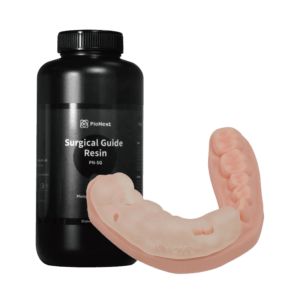
Surgical Guide Resin

As the name suggests, this resin is used to create surgical guides for dental implant procedures. It is biocompatible and offers high dimensional stability, ensuring that the guides are accurate and reliable during surgery.

Denture Base Resin

This resin is used for creating the base of dentures. It offers the right balance of strength and flexibility to ensure that the dentures are comfortable to wear and durable enough to withstand daily use.

Dental 3D Printing

Advantages of Dental Resin 3D Printing

High Precision

Dental resins allow for the creation of highly accurate and detailed models, which are essential for producing well-fitting dental appliances.

Biocompatibility

These resins are designed to be safe for use in the human body, reducing the risk of adverse reactions and ensuring patient safety.

Efficiency

3D printing with dental resin significantly reduces production times compared to traditional methods. This allows dental professionals to create custom appliances quickly and efficiently.

Customization

Dental resin 3D printing enables the production of highly customized dental appliances tailored to each patient’s unique anatomy. This results in better-fitting and more comfortable dental devices.

Cost-Effectiveness

While the initial investment in 3D printing technology may be high, the long-term cost savings are significant. The ability to produce custom appliances in-house reduces the need for outsourcing, which can be costly and time-consuming.

Applications of Dental Resin 3D Printing

Dental resin 3D printing is used in various dental applications, each requiring specific properties from the resin used:

Removables

Removable dental appliances, such as dentures and retainers, benefit greatly from 3D printing. Dental resins used in these applications provide the necessary strength and flexibility to ensure that the appliances are durable yet comfortable to wear.

Implantology

In implantology, 3D printed surgical guides and implant models are essential for planning and executing dental implant procedures. The precision offered by dental resins ensures that implants are placed accurately, reducing the risk of complications and improving patient outcomes.

Orthodontics

Orthodontic applications, such as the creation of clear aligners and braces, rely heavily on 3D printing with dental resin. These resins allow for the production of highly accurate dental models that serve as the basis for designing and fabricating custom orthodontic appliances.

Dental Clinical Indications

The use of dental resin 3D printing extends to a wide range of clinical indications, including:

Dental Crowns and Bridges

Dental crowns and bridges require materials that are strong, durable, and aesthetically pleasing. Dental resin 3D printing allows for the creation of custom crowns and bridges that match the patient’s natural teeth in both appearance and function.

Surgical Guides

Surgical guides are critical for ensuring the accurate placement of dental implants. Using biocompatible dental resins, these guides can be printed with high precision, providing a reliable tool for dental surgeons.

Clear Aligners

Clear aligners have become a popular alternative to traditional braces. Dental resin 3D printing enables the production of custom aligners that fit perfectly over the patient’s teeth, gradually shifting them into the desired position.

Denture Base

The base of a denture must be strong, flexible, and comfortable to wear. Dental resins used in 3D printing provide the ideal properties for creating durable and well-fitting denture bases.

Dental Casting

Dental casting involves creating molds for producing dental appliances. Dental resin 3D printing allows for the creation of highly detailed and accurate molds, ensuring that the final product meets the exact specifications required for each patient.

Dental 3D Printing Resin Manufacturers

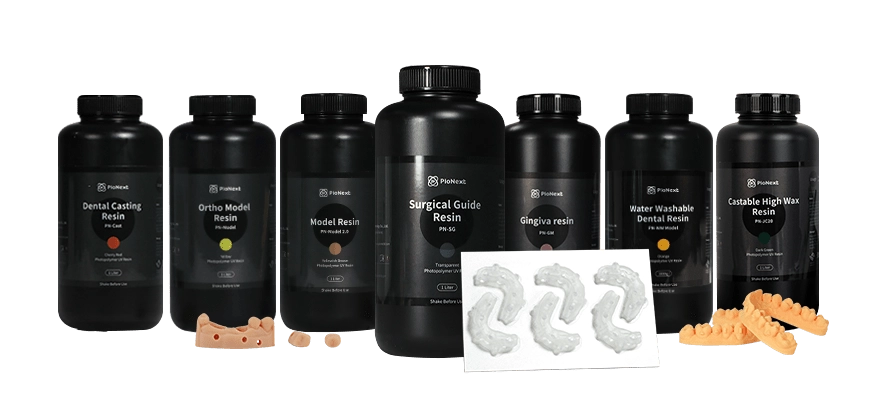
Several manufacturers specialize in producing high-quality dental resins for 3D printing. One of the leading companies in this field is Piocreat 3D, known for its portfolio of state-of-the-art dental model resins. Piocreat offers a range of resins, including:

Ortho Model Resin

Known for its robustness, minimal shrinkage, and strong biocompatibility, this resin is ideal for creating accurate orthodontic models.

Restoration Resin

This resin is designed for producing dental restorations such as crowns and bridges, offering both strength and aesthetic appeal.

Surgical Guide Resin

iocreat’s Surgical Guide Resin is engineered to provide the precision and stability needed for creating reliable surgical guides.

Dental Casting

This resin is used for creating durable and comfortable denture bases, ensuring that patients receive high-quality, long-lasting dental appliances.

Piocreat 3D’s dental resins are known for their minimal shrinkage, strong biocompatibility, and resistance to wear, making them a trusted choice for dental professionals worldwide.

Biocompatible dental resin Materials

Conclusion

Biocompatible dental resin for 3D printing is revolutionizing the field of dentistry by providing high-quality, customizable, and efficient solutions for producing dental appliances and models. The use of advanced dental resins, such as those offered by Piocreat 3D, ensures that dental professionals can create precise, durable, and safe products that meet the unique needs of each patient. As dental 3D printing technology continues to evolve, the role of biocompatible dental resins will only become more significant, driving further advancements in dental care.

3D Printing Car Parts: The Future of Automotive Manufacturing

Table of Contents

3D printed car parts are revolutionizing the automotive industry, offering a flexible, time- and cost-effective alternative to traditional manufacturing methods. This advanced technology enables the creation of three-dimensional objects from digital files, facilitating everything from prototyping to the production of fully functional car components. Whether for large companies or small businesses, 3D printing car parts is becoming increasingly accessible and affordable. In this blog, we’ll explore how 3D printing is used in the automotive industry, the strength of 3D printed car parts, the best materials for these parts, and the top 3D printers for automotive applications.

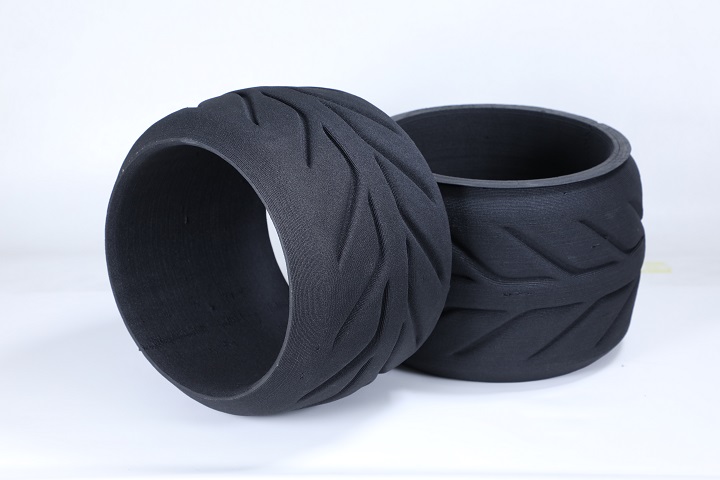
3d printing car parts

Is 3D Printing Used in the Automotive Industry?

Absolutely, 3D printing has found extensive applications in the automotive industry. Initially utilized for prototyping, 3D printing now enables the production of a wide range of car parts, from simple components like ducts and vents to complex mechanical pieces. The flexibility of 3D printing allows manufacturers to create custom parts quickly and efficiently, reducing production costs and time.

The technology’s versatility is not limited to large-scale manufacturers. Hobbyists, small businesses, custom body shops, and racing teams also leverage 3D printing to produce unique and customized parts, enhancing performance and aesthetics. The ability to print on demand reduces the need for large inventories, further lowering costs and improving efficiency.

Can You 3D Print Automotive Parts?

Yes, you can 3D print automotive parts. With advancements in 3D printing technology, creating car parts has become more accessible and practical. Parts like air ducts, engine covers, and even some mechanical components can be 3D printed with high precision and durability. The advent of Fused Granulate Fabrication (FGF), which uses plastic pellets as the primary material, has further expanded the possibilities. FGF technology allows for significant cost savings by using plastic pellets and recycled plastics instead of traditional filaments.

For example, manufacturing aids play a crucial role in assembly operations. These operations can be complex, prone to quality issues, and unpredictable in terms of efficiency and time. While manufacturing aids like jigs, fixtures, grippers, and locators are often used to improve costs, quality, and time, they can also be complex and require frequent modifications.

Fused Granulate Fabrication (FGF) 3D printing solutions for manufacturing aids allow production and assembly operations to optimize the assembly process while controlling manufacturing and inventory costs. With FGF, you can tailor jigs, fixtures, grippers, and locators to specific processes and components and quickly iterate for continuous improvement without costly traditional tool making and burdensome inventory costs.

Are 3D Printed Car Parts Strong?

3D printed car parts can be incredibly strong, depending on the materials and printing techniques used. Modern 3D printing materials, such as carbon fiber reinforced composites, offer excellent mechanical properties that can rival or even surpass those of traditionally manufactured parts. These materials provide high strength, durability, and resistance to various environmental factors, making them suitable for a wide range of automotive applications.

For example, carbon fiber reinforced polycarbonate (PC-CF) offers exceptional strength and heat resistance, making it ideal for high-stress components. Similarly, ABS-CF, a carbon fiber reinforced ABS, provides excellent impact resistance and dimensional stability, essential for parts exposed to dynamic loads and vibrations.

What is the Best 3D Material for Car Parts?

The choice of material is crucial in determining the strength and performance of 3D printed car parts. Here are some of the best materials for automotive parts:

ABS-CF

ABS-CF is a reinforced ABS pellet containing 20% carbon fiber. It boasts outstanding mechanical properties, good dimensional stability, and excellent printing performance, making it ideal for large-scale 3D printing. ABS-CF is particularly useful for parts that require a balance of strength, flexibility, and thermal resistance.

PC-CF

This material is a carbon fiber reinforced polycarbonate composite. PC-CF is based on PC raw materials and is mixed with 15%-25% carbon fiber, carbon black, metal fiber, metal powder, and a permanent anti-static masterbatch. It offers high strength and durability. PC-CF is suitable for components that must withstand high temperatures and mechanical stress, such as engine bay parts and structural elements.

PAHT-CF

PAHT-CF is easy to print with no warping and high Z-axis strength. It is more chemically resistant than most PA grades and can withstand high temperatures up to 150°C. It is suitable for industrial jigs, fixtures, automotive parts, and drone components. PAHT-CF is known for its high tensile strength and resistance to harsh chemicals, making it ideal for parts exposed to aggressive environments.

The Environmental Impact of 3D Printing Car Parts

One of the significant advantages of 3D printing car parts is its positive environmental impact. Traditional manufacturing methods often involve substantial waste and energy consumption. In contrast, 3D printing is an additive process, meaning material is added layer by layer to create the part, resulting in minimal waste.

Moreover, 3D printing allows for the use of recycled materials, contributing to a circular economy. Initiatives like Print Your City are raising awareness about plastic waste by using recycled plastics to 3D print public amenities such as park benches. This approach not only reduces waste but also promotes the recycling of plastics, which are abundant in automotive applications.

The use of pellet-based 3D printing, particularly with recycled plastics, further enhances the sustainability of the manufacturing process. By using pellets instead of traditional filaments, manufacturers can significantly reduce material costs and waste, making 3D printing a more environmentally friendly option.

What is the Best 3D Printer for Car Parts?

Selecting the right 3D printer is essential for producing high-quality automotive parts. Here are three of the best 3D printers for car parts:

G5Ultra Pellet 3D Printer

    • Printing Size: 500x500x400mm
    • Features:
      • Nozzle temperature up to 400℃
      • Rapid heating of hot bed up to 120℃
      • Screw extruder design
      • High-speed printing

    The G5Ultra Pellet 3D Printer is a desktop, high-speed industrial production system utilizing low-cost thermoplastic pellet feedstocks. It is ideal for smaller-scale production and rapid prototyping.

3d printer for automotive parts

G12 Pellet 3D Printer

Printing Size: 1200x1000x1000mm

Features:

  • Nozzle temperature up to 450℃
  • Rapid heating of hot bed up to 120℃
  • High Flow Screw Extrusion
  • Powerful Servo Motor

The G12 Pellet 3D Printer is a large-format pellet extrusion printer capable of printing medium-to-large format parts. It offers robust performance and precise control, making it suitable for producing larger automotive components.

G40 Pellet 3D Printer

Printing Size: 3725x2500x1330mm

Features:

  • Large working space
  • Workbench design
  • CNC five-axis head
  • High flow screw extrusion design

The G40 Pellet 3D Printer, PioCreat’s largest industrial printer, combines versatility and reliability. It is ideal for industrial-scale automotive projects, offering a large working area and advanced features for complex part production.

Wrapping Up

The adoption of 3D printing in the automotive industry is transforming how car parts are designed and manufactured. The ability to create custom, high-strength parts quickly and cost-effectively makes 3D printing an attractive option for manufacturers, hobbyists, and small businesses alike. By utilizing advanced materials like ABS-CF, PC-CF, and PAHT-CF pellets, and leveraging cutting-edge 3D printers, the automotive sector is poised for continued innovation and efficiency.

3D printing car parts not only enhances the design and functionality of automotive components but also promotes sustainability through reduced waste and the use of recycled materials. As technology continues to evolve, the possibilities for 3D printing in the automotive industry are limitless, promising a future where customized, high-performance parts are readily available to meet the diverse needs of the market.

3D Printed Dental Surgical Guides: The Future of Implantology.

Table of Contents

3D printing is transforming the dental industry, making it easier to produce custom products like dental prosthetics, implants, and surgical equipment such as guides. Among these innovations, 3D printed dental surgical guides stand out as a standard tool that assists implant procedures, reduces surgery duration, and minimizes the risk of complications. With advanced 3D printing systems, dental surgical guides are more affordable and accurate than those made with traditional processes.

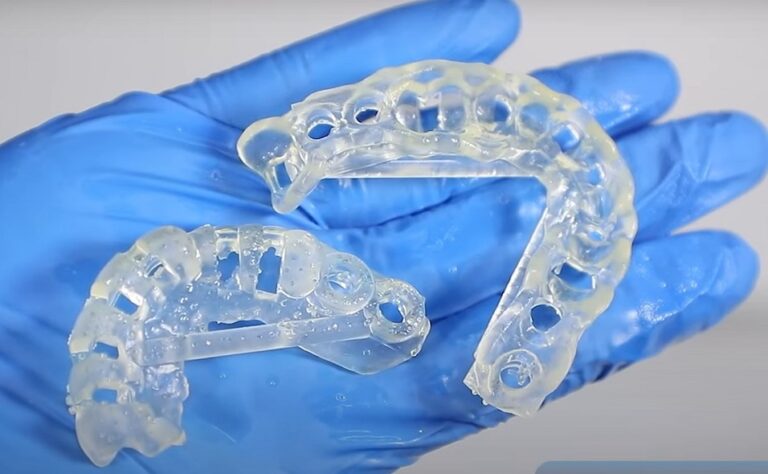
3D Printed Dental Surgical Guide

What is a Surgical Guide Dental?

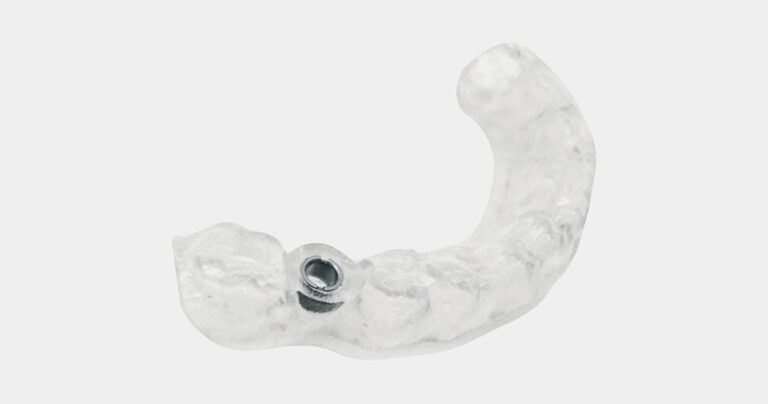
A surgical guide in dentistry is a custom-made medical device used to assist dental surgeons during implant procedures. These guides are designed to fit over the patient’s teeth and gums, providing a precise template for drilling and implant placement. The primary purpose of a surgical guide is to ensure that dental implants are positioned accurately, aligning with the pre-planned surgical path. This precision is crucial for the success of the implant, affecting the implant’s stability, functionality, and longevity.

Traditional surgical guides were crafted using labor-intensive methods that involved manual adjustments and multiple patient visits. This process was not only time-consuming but also prone to human error. The introduction of digital workflows and 3D printing technology has revolutionized the production of surgical guides, making them more precise and efficient.

What is a 3D Printed Surgical Guide?

A 3D printed surgical guide is a custom-made device created using advanced 3D printing technology. These guides are designed based on digital scans of the patient’s mouth, ensuring an exact fit and accurate placement of dental implants. The process begins with a digital impression of the patient’s oral anatomy, which is then used to design the surgical guide using specialized software. This digital model is sent to a 3D printer, which fabricates the guide layer by layer.

The precision of 3D printed surgical guides significantly reduces the margin for error during implant procedures. They provide a clear, accurate path for drilling, ensuring that implants are placed in the optimal position. This accuracy is especially beneficial for complex cases where precise placement is critical to avoid damage to surrounding structures such as nerves and sinuses.

What Material is Used for Surgical Guides?

Surgical Guide Resin

Surgical guides are typically made from a biocompatible material known as Surgical Guide Resin. This resin is specifically designed for crafting surgical guides and is known for its transparency and high precision. Surgical Guide Resin is a Class I material, meaning it meets the stringent safety and performance standards required for medical devices.

Key features of Surgical Guide Resin include:

  • Biocompatibility: Safe for use in the human body, minimizing the risk of adverse reactions.
  • Transparency: Allows for clear visibility during surgical procedures, enabling the dentist to see the underlying structures and ensure accurate placement.
  • High Precision: Provides exceptional accuracy, ensuring that the surgical guide fits perfectly and directs the drilling path precisely.
  • Versatility: Suitable for various applications, including implant surgery, orthodontic guides, and functional retainers.

The use of Surgical Guide Resin ensures that 3D printed surgical guides offer superior performance and reliability compared to traditional methods.

What Are the Benefits of 3D Printed Surgical Guides?

Better Customer Experience

Patients benefit from the improved efficiency and accuracy of 3D printed surgical guides. The reduced treatment time and fewer adjustments result in a more comfortable and convenient experience. Additionally, the precise fit of the surgical guides enhances patient outcomes, leading to better long-term satisfaction with their dental implants.

Higher Accuracy

3D printed surgical guides offer unparalleled accuracy. The digital design and manufacturing process ensures that each guide is tailored to the patient’s unique anatomy, providing a precise template for implant placement. This accuracy reduces the risk of errors and complications during surgery, improving the overall success rate of dental implants.

Surgical guide resin

Rapid Turnaround

One of the most significant advantages of 3D printed surgical guides is the speed of production. Traditional methods of crafting surgical guides can take several weeks, involving multiple patient visits and manual adjustments. In contrast, 3D printing allows for the rapid creation of surgical guides, often within a few hours. This quick turnaround time is particularly beneficial for urgent cases, enabling faster treatment and reducing patient wait times.

What is the Best Dental 3D Printer for Surgical Guides?

Choosing the right 3D printer for dental surgical guides is crucial for achieving optimal results. Piocreat offers top-of-the-line 3D printers designed for the dental industry. Two standout models are:

DJ89 PLUS 8K 10.3" LCD 3D Printer

  • Top cost-effective resin 3D printer for dental industries
  • 29μm Pixel Size: Delivers unmatched print clarity and detail. The high resolution ensures that even the smallest details of the surgical guide are accurately reproduced.
  • Heating Chamber: Ensures consistent temperature for optimal printing conditions, maintaining the quality of the printed guides.
  • Automatic Feeding: Simplifies the printing process and reduces manual intervention, enhancing efficiency.
  • Stable Z-axis Structure: Provides precise and reliable prints, crucial for producing high-quality surgical guides.

D158 DLP 3D printer

  • Texas Instruments Technology: Utilizes advanced technology for precision and reliability.
  • Automatic Lifting Cover: Enhances usability and simplifies the printing process.
  • 62μm Pixel Size: Offers high-resolution prints, ensuring detailed and accurate surgical guides.
  • High Speed Release Film: Improves printing efficiency by reducing the time required for layer separation.
  • Stable Z-axis Structure: Ensures consistent and precise printing, essential for dental applications.

Both models are designed to meet the demanding requirements of dental professionals, providing the accuracy and reliability needed for successful implant procedures.

Conclusion

3D printed dental surgical guides are revolutionizing dental implant procedures, offering unmatched precision, efficiency, and patient satisfaction. By utilizing advanced 3D printing technology and high-quality materials like Surgical Guide Resin, dental professionals can produce custom surgical guides quickly and accurately. With dental 3D printers like the DJ89 PLUS and D158, the future of dental surgery is brighter and more efficient than ever.

Embracing 3D printing for dental surgical guides not only enhances the quality of care but also streamlines the workflow, making dental practices more productive and effective. As the technology continues to evolve, we can expect even greater advancements in the field of dental surgery, leading to better outcomes and improved patient experiences.

A Quick Overview of Large Scale 3D Printing

Table of Contents

Large scale 3D printing is transforming the way industries approach manufacturing, providing an efficient and cost-effective solution for producing large, complex structures. With advancements in technology, large scale 3D printers are now capable of creating everything from massive sculptures to functional industrial parts. In this blog, we’ll explore what large scale 3D printing is, what qualifies as a large format 3D printer, the benefits it offers, its applications, and some of the best large scale 3D printers available today.

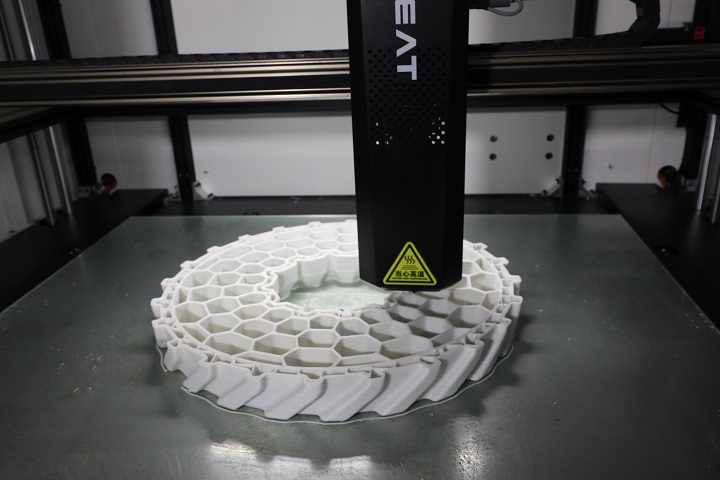
large scale 3d printing

What is Large Scale 3D Printing?

Large scale 3D printing refers to the process of creating sizeable objects using 3D printing technology. Unlike traditional 3D printers designed for small, detailed models, large scale 3D printers can produce items with dimensions reaching several meters. This capability is invaluable for industries such as construction, automotive, aerospace, and art, where large and complex parts are often required. By leveraging large scale 3D printing, manufacturers can achieve greater efficiency and innovation in their production processes.

Large scale 3D printing is not just an extension of conventional 3D printing but a significant leap in manufacturing capabilities. It enables the creation of prototypes, functional parts, and even end-use products that would otherwise be difficult or impossible to manufacture using traditional methods. This technology can handle various materials, from plastics and resins to metals and concrete, allowing for a wide range of applications.

What is Considered a Large Format 3D Printer?

A large format 3D printer is characterized by several key features that enable it to handle the production of large objects effectively:

Bigger Build Volume

The most distinguishing feature of a large format 3D printer is its extensive build volume. These printers can produce objects that are significantly larger than what standard 3D printers can handle, often exceeding dimensions of 1000mm in one or more axes. For instance, the G12 Pellet 3D Printer has a build volume of 1200x1000x1000mm, which allows it to print substantial parts in a single run, eliminating the need for assembly.

Heated Print Bed

A heated print bed is essential for maintaining the adhesion of the first layer of the print. This feature is particularly important for large scale prints to prevent warping and ensure a stable foundation for the entire build. A heated bed ensures that the material remains at an optimal temperature throughout the printing process, which is crucial for achieving high-quality prints.

Industrial-Grade Components

Large format 3D printers are built with industrial-grade components, including robust frames, powerful motors, high-quality extruders, and advanced control systems. These components ensure the printers can handle the demands of producing large, complex parts with high precision and reliability. For example, the G40 Pellet 3D Printer features a CNC five-axis head, high flow screw extrusion design, and a large working space, making it suitable for complex industrial applications.

large scale 3d printing service

What are the Benefits of Large Format 3D Printing?

Large format 3D printing offers numerous advantages, making it a preferred choice for many industries:

Larger Build Volume

The ability to print larger objects in one piece eliminates the need for assembling smaller parts, resulting in stronger and more cohesive structures. This advantage is particularly useful in the automotive and aerospace industries, where the integrity and strength of large components are critical.

Reduced Assembly Requirements

Printing large components as a single piece significantly reduces the need for assembly, saving time and minimizing potential weak points where parts are joined together. This reduction in assembly not only speeds up production but also enhances the overall durability of the final product.

Cost Efficiency

Large scale 3D printing is often more cost-effective than traditional manufacturing methods. It reduces material waste, eliminates the need for expensive molds, and allows for rapid prototyping, leading to overall cost savings. By streamlining the production process, companies can achieve significant cost reductions, making it an attractive option for small and large businesses alike.

Time Savings

The speed of large scale 3D printing can drastically reduce production times. Traditional manufacturing processes such as mold making and assembly are time-consuming, whereas 3D printing can create the final product directly from the digital model. This rapid turnaround is especially beneficial for industries that need to bring products to market quickly or respond to urgent production demands.

What is a Large Format 3D Printer Used For?

Large format 3D printers are used in various applications that benefit from their ability to produce large and intricate designs:

Large-Scale Art and Sculptures

Artists and sculptors use large scale 3D printers to create massive, detailed works of art that would be difficult or impossible to produce by hand. This technology allows artists to bring their visions to life on a grand scale, pushing the boundaries of creativity and innovation.

Tooling and Fixtures

In industrial settings, large scale 3D printers are used to create custom tooling and fixtures that are essential for manufacturing processes, improving efficiency and precision. These tools can be tailored to specific tasks, enhancing productivity and reducing production times.

Rapid Prototyping

Large scale 3D printing is ideal for rapid prototyping of large parts, allowing designers and engineers to test and refine their ideas quickly and cost-effectively. This capability is crucial for industries that require frequent design iterations and fast development cycles, such as automotive and aerospace.

Aerospace

The aerospace industry benefits greatly from large scale 3D printing, which allows for the manufacturing of large, high-strength composite parts for aircraft. This capability not only enhances the performance and durability of aerospace components but also reduces the weight of the aircraft, leading to better fuel efficiency and overall performance.

Maritime

The maritime sector is also embracing the flexibility of large scale 3D printing. This technology is used to create large parts for shipbuilding and perform at-sea maintenance. By producing custom parts on demand, 3D printing helps maintain ships’ operational efficiency and reduces downtime.

3d printing in marine industry

Best Large Scale Industrial 3D Printers

Here are two of the best large scale 3D printers known for their advanced features and reliable performance:

G12 Pellet 3D Printer

  • Printing Size: 1200x1000x1000mm
  • Features:
    • Nozzle temperature up to 450℃
    • Rapid heating of hot bed up to 120℃
    • High Flow Screw Extrusion
    • Powerful Servo Motor

The G12 Pellet 3D Printer is a large-format pellet extrusion printer capable of printing medium-to-large parts with high precision and speed. Its robust design and advanced features make it ideal for industrial applications. The G12’s ability to handle a wide range of materials, including thermoplastics and composites, makes it a versatile tool for various manufacturing needs.

G40 Pellet 3D Printer

    • Printing Size: 3725x2500x1330mm
    • Features:
      • Large working space
      • Workbench design
      • CNC five-axis head
      • High flow screw extrusion design

    The G40 Pellet 3D Printer, Piocreat’s largest industrial printer, combines versatility and reliability. It is suitable for industrial-scale projects, offering a large working area and advanced CNC capabilities for creating complex and large-scale components. The G40’s precision and flexibility make it ideal for applications that require high-quality, detailed prints on a large scale.

Wrapping Up

Large scale 3D printing is revolutionizing various industries by enabling the efficient production of large, complex structures. With benefits such as larger build volumes, reduced assembly requirements, cost efficiency, and diverse applications, this technology is paving the way for innovation and productivity. The G12 and G40 Pellet 3D Printers are among the best options available for those looking to leverage the power of large scale 3D printing in their operations. As technology continues to evolve, the potential for large scale 3D printing will only expand, offering new opportunities for creative and industrial applications.

Name
Country

PioCreat 3D Official Store